


Vanity Rasasi
At a glance
Is Vanity Rasasi worth trying?
Vanity by Rasasi is a Floral Woody Musk fragrance for women.
- Best match
- Evening wear in Fall
- Performance feel
- Very Good longevity with Strong sillage
- Signature profile
- woody, yellow floral, floral with Ylang-Ylang, Pepper, Lemon
The first impression
Vanity by Rasasi is a Floral Woody Musk fragrance for women. Vanity was launched in 2014. Top notes are Ylang-Ylang, Pepper, Lemon and Bergamot; middle notes are Magnolia, Olive Blossom and Cinnamon; base notes are Sandalwood, Ambergris and Musk.
What shapes the scent
The perfumer behind it

Mohammed Al Habtoor
Mohammed Al Habtoor creates fragrances for Rasasi that emphasize luxury and sophistication. His scents often incorporate rare ingredients like Cambodian oud, as seen in Atheer Cambodia Oudh Al Boruzz. He excels at blending traditional Middle Eastern perfumery with modern refinement. His work appeals to those who appreciate depth and complexity in their fragrances.
Notes pyramid
Top Notes
First impression · 15-30 min
 Ylang-Ylang
 Pepper
 Lemon
Lemon
 Bergamot
Heart Notes
Core character · 2-4 hours
 Magnolia
Olive Blossom
Magnolia
Olive Blossom
 Cinnamon
Base Notes
Lasting impression · 4+ hours
 Sandalwood
 Ambergris
 Musk
Musk
The mood it creates
The Sovereign Archetype: Portrait of Vanity Rasasi
Essence
The one who favors Vanity Rasasi is ruled by the Sovereign archetype-a figure of command, allure, and self-possession. This is not mere vanity in the shallow sense, but a deep-seated belief in one’s own dominion over their world. The Sovereign does not ask for admiration; they assume it as their birthright. Their presence is magnetic, their choices deliberate, their aura one of controlled extravagance.
Yet, like all archetypes, the Sovereign has a shadow-a lurking tyranny, an unspoken fear of irrelevance, a need to be seen as untouchable even when vulnerability gnaws at them.
Shadow
But power, when unchecked, corrupts even the most refined soul. The Sovereign’s shadow is a cold arrogance, a dismissal of those deemed unworthy. They may mistake control for strength, silence for wisdom. Their fear of vulnerability can make them ruthless-cutting ties before they can be abandoned, dominating conversations to avoid being challenged.
There is a loneliness here, masked by grandeur. The Sovereign may mistake admiration for love, deference for connection. They may grow bitter when the world does not bend to their will, forgetting that even kings must sometimes kneel.
Conclusion
Their tastes are opulent but precise. They do not indulge in excess for its own sake; every choice is a statement. Their wardrobe is a blend of classic elegance and bold statements-tailored silks, sharp lines, perhaps a single striking accessory that draws the eye without begging for attention. They prefer fragrances that announce them before they speak, and Vanity Rasasi, with its rich floral-woody intensity, suits this perfectly.
Philosophically, they believe in self-creation. They are not bound by tradition unless they choose to be. Their values center on autonomy, influence, and the power of perception. They understand that reality is shaped by those who command the narrative, and they intend to be one of those commanders.
If you like this, try these
Fragrances with a comparable profile - shared accords, notes, and character.
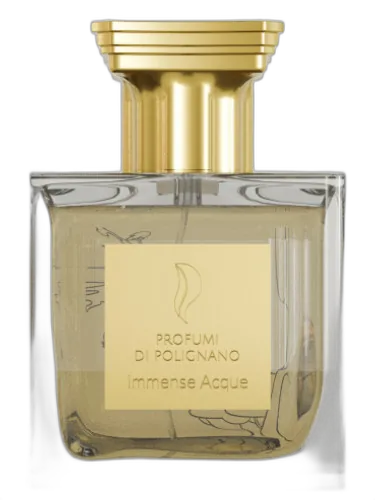
Profumi Di Polignano
Immense Acque Extrait De Parfum Profumi Di Polignano
Shared top notes: bergamot, lemon
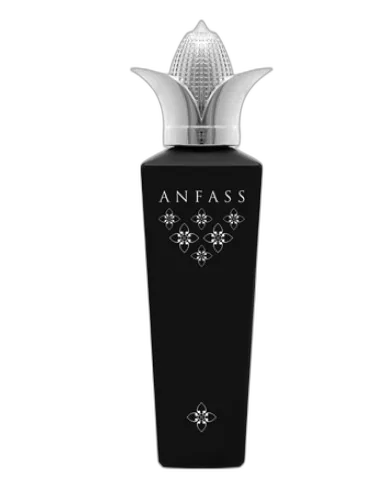
Anfas
Salam 2014 Anfas
Shared top notes: bergamot
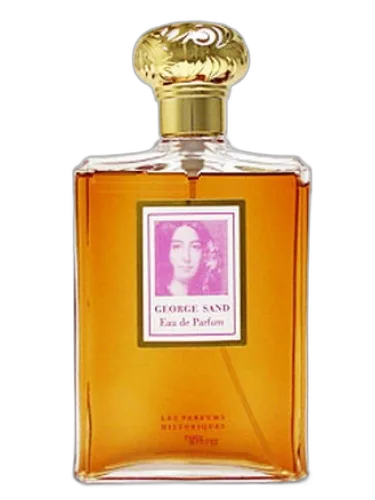
Maitre Parfumeur et Gantier
Eau De Parfum De George Sand Maitre Parfumeur Et Gantier
Shared top notes: bergamot, lemon

Salle Privée
Celluloid Heroes Salle Privée
Shared top notes: bergamot, lemon
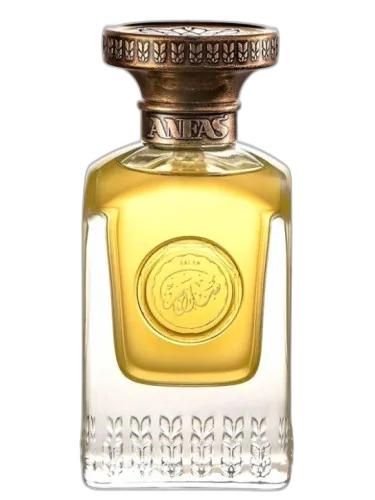
Anfas
Salam Anfas
Shared top notes: bergamot