

Opening Chapter Poesie
At a glance
Is Opening Chapter Poesie worth trying?
Opening Chapter by Poesie is a fragrance for women and men.
- Best match
- Casual wear in Spring
- Performance feel
- Moderate longevity with Intimate sillage
- Signature profile
- aquatic, ozonic, green with Darjeeling Tea, Rain Notes, Leather
The first impression
Opening Chapter by Poesie is a fragrance for women and men. Opening Chapter was launched in 2017. The nose behind this fragrance is Joelle Nealy.
What shapes the scent
The perfumer behind it

Joelle Nealy
Joelle Nealy is a perfumer known for her extensive work with Poesie, creating fragrances such as A Thousand Warriors, All Jollity, and Aurora. Her portfolio includes a variety of themes from cozy to ethereal, as seen in Balmoral Fireplace and Arctic Monkeys. Nealy's compositions often blend storytelling with nuanced scent profiles.
Notes pyramid
All Notes
Complete scent profile
 Darjeeling Tea
 Rain Notes
 Leather
 Paper
Paper
The mood it creates
The Lover Archetype: Portrait of Opening Chapter Poesie
Essence
This person is most closely aligned with the Sage-a seeker of wisdom, a collector of stories, and a quiet observer of life’s unfolding mysteries. The fragrance Opening Chapter (with its notes of crisp paper, inky musk, and the faintest whisper of plum and tea) is not merely a scent but a manifesto: they are drawn to beginnings, to the liminal space between what is known and what is yet to be discovered. Like the Sage, they are both a student and a teacher, though they may not always realize it. Their mind is a library, their soul a well-tended garden of ideas.
Yet, the Sage is not without shadows. The relentless pursuit of knowledge can become a retreat from lived experience. They may mistake understanding for wisdom, and wisdom for action.
Relationships
They do not collect friends lightly. Their relationships are built on mutual curiosity, on conversations that stretch into the early hours, on the unspoken agreement that some things need not be said aloud to be understood. They are not the life of the party, but they are the one you seek out when the noise becomes too much-the quiet voice that asks the right question at the right time.
Yet, their shadow emerges here too. Their love of solitude can harden into isolation. They may withdraw when emotions grow too messy, preferring the clean lines of thought to the tangled reality of human need. They are slow to trust, slower still to confess their own vulnerabilities.
Shadow
Their greatest strength-their intellect-can also be their prison. There is a danger in living too much in the mind, in mistaking analysis for engagement. They may grow impatient with those who do not share their depth of reflection, dismissing simpler joys as frivolous. At their worst, they become the Hermit, not out of wisdom but out of fear-fear of being truly known, of surrendering control to the unpredictability of life.
But when balanced, they are a rare kind of light: one that illuminates without blinding, that guides without demanding. They are the keeper of stories, the quiet voice in the storm, the one who reminds you that every ending is, in truth, another opening chapter.
Conclusion
Their tastes are deliberate, refined but never ostentatious. They prefer the weight of a hardcover book to the convenience of a screen, the slow unfurling of a handwritten letter over the immediacy of a text. Their wardrobe is a study in understatement-soft knits, tailored but lived-in coats, perhaps a single piece of antique jewelry, something with history. They are drawn to muted colors, not out of timidity, but because they understand that restraint can be its own form of depth.
Philosophy is not an abstraction to them but a lens through which they navigate existence. They may be drawn to Stoicism for its discipline, to existentialism for its insistence on meaning-making, or to Eastern thought for its embrace of paradox. What matters is not the school but the way they engage with it-questioning, testing, never fully settling.
If you like this, try these
Fragrances with a comparable profile - shared accords, notes, and character.

Massimo Dutti
Sunday Breeze Massimo Dutti
Shared accords: animalic, aquatic, green

Yves Saint Laurent
Cuir (2023) Yves Saint Laurent
Shared top notes: leather

Bath & Body Works
Autumn Nights Bath & Body Works
Shared top notes: leather

Alkemia Perfumes
Summer Dandelion Alkemia Perfumes
Shared top notes: rain notes
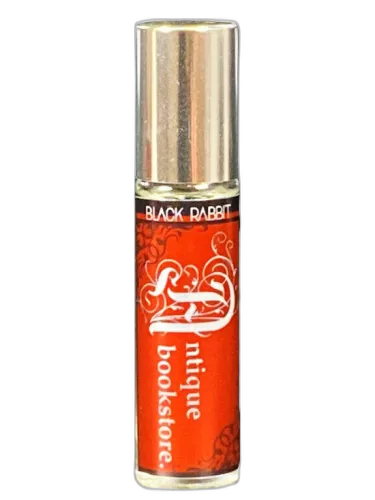
Black Rabbit
Antique Bookstore. Black Rabbit
Shared top notes: leather, paper