
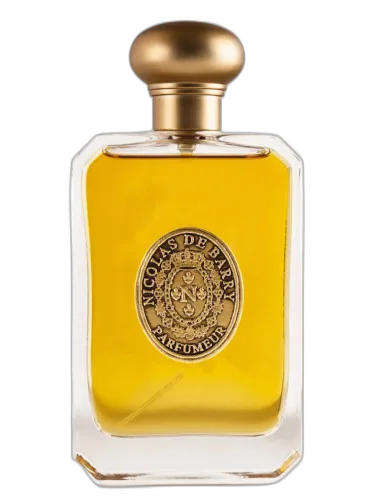
Eau De La Reine De Hongrie Maison Nicolas De Barry
At a glance
Is Eau De La Reine De Hongrie Maison Nicolas De Barry worth trying?
Eau De La Reine De Hongrie by Maison Nicolas de Barry is a fragrance for women.
- Best match
- Casual wear in Spring, Summer
- Performance feel
- Poor longevity with Intimate sillage
- Signature profile
- aromatic, green, fresh spicy with Thyme, Herbal Notes, Sage
The first impression
Eau De La Reine De Hongrie by Maison Nicolas de Barry is a fragrance for women. The nose behind this fragrance is Nicolas de Barry.
What shapes the scent
The perfumer behind it

Nicolas de Barry
Nicolas de Barry is a perfumer and founder of Maison Nicolas de Barry, known for historical and narrative-driven scents like Casanova, Eau De La Reine De Hongrie, and Wu Zetian. His work often draws on historical figures and events, using traditional and rare ingredients. De Barry also created La Reine Margot for Maitre Parfumeur et Gantier, further showcasing his expertise in classical perfumery.
Notes pyramid
All Notes
Complete scent profile
 Thyme
Thyme
 Herbal Notes
 Sage
Sage
 Rosemary
 Lavender
The mood it creates
The Sage Archetype: Portrait of Eau De La Reine De Hongrie Maison Nicolas De Barry
Essence
Eau De La Reine De Hongrie channels the Sage archetype through its herbal clarity and intellectual freshness. Thyme, sage, rosemary, and lavender create an aromatic bouquet that suggests ancient wisdom and botanical knowledge. The intimate sillage reflects the Sage's preference for meaningful exchange over performative discourse.
This is a fragrance for those who seek truth in nature's simplicity. Like a medieval scholar's garden, it offers remedies for both body and mind, with green notes that stimulate thought as much as they refresh the senses.
Style & Aesthetic
They favor timeless, functional elegance-linen tunics, structured aprons with pockets for collecting specimens, or well-worn leather notebooks. Their aesthetic leans toward the monastic minimalism of a medieval herbalist, where every object serves a purpose. The lack of base notes mirrors their disdain for unnecessary ornamentation.
Philosophy & Values
They believe knowledge should be as accessible as wild thyme growing on a hillside. The herbal accord speaks to their conviction that wisdom often grows in plain sight, awaiting those willing to observe closely. They value self-sufficiency and the quiet confidence that comes from understanding nature's rhythms.
Relationships
Conversations with them are like the fragrance itself-brief but potent. They listen more than they speak, offering insights only when asked. Their relationships are few but deep, built on mutual respect for independent thought. The intimate sillage reflects their selective social energy.
Lifestyle
Dawn finds them gathering herbs or reading by east-facing windows. Their days balance solitary study with teaching moments-perhaps leading a foraging walk or discussing philosophy over simple meals. The poor longevity mirrors their belief that profound ideas need no embellishment to linger in memory.
Shadow
Their intellectual rigor can become rigidity, mistaking skepticism for wisdom. The absence of sweet notes hints at a tendency to undervalue emotional intelligence. When unbalanced, they may retreat into academic isolation like a medieval scholar behind monastery walls.
Conclusion
This fragrance distills the Sage's essence-a clarion call to clear thinking and natural wisdom. It suits those who find equal pleasure in a sun-warmed herb garden and a well-argued treatise, proving that profundity often wears a simple green cloak.
If you like this, try these
Fragrances with a comparable profile - shared accords, notes, and character.
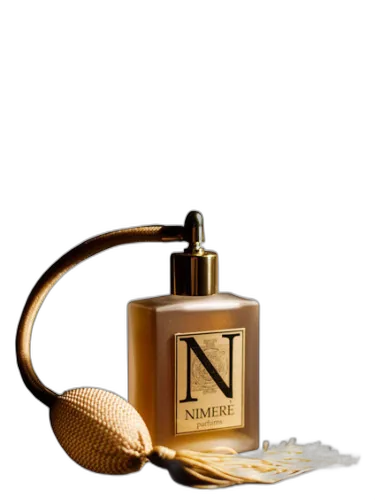
Nimere Parfums
La Foret Russe Nimere Parfums
Shared top notes: herbal notes, sage, thyme
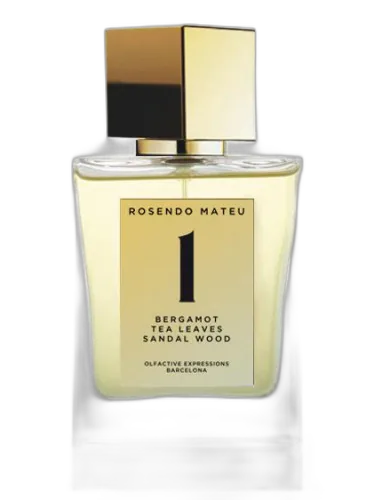
Rosendo Mateu Olfactive Expressions
No 1 Bergamot, Tea Leaves, Sandal Wood Rosendo Mateu Olfactive Expressions
Shared top notes: lavender, rosemary, sage
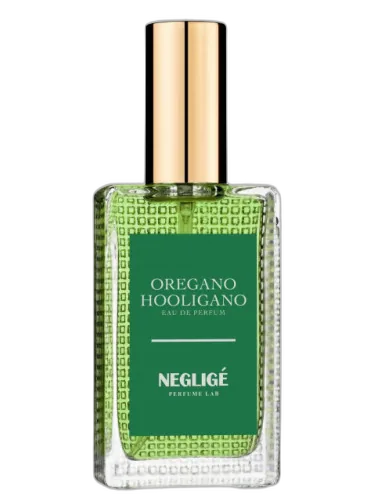
Negligé Perfume Lab
Oregano Hooligano Negligé Perfume Lab
Shared top notes: sage
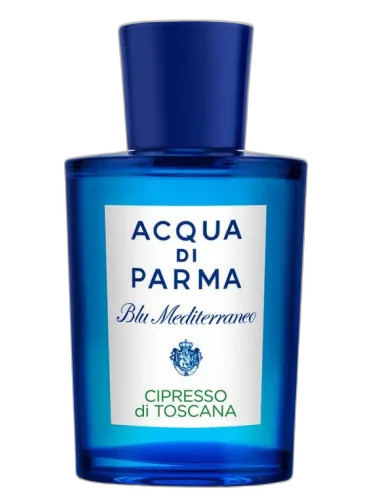
Acqua di Parma
Acqua Di Parma Blu Mediterraneo - Cipresso Di Toscana Acqua Di Parma
Shared top notes: rosemary, sage

Natura
Momento Sono Natura
Shared top notes: herbal notes, lavender