
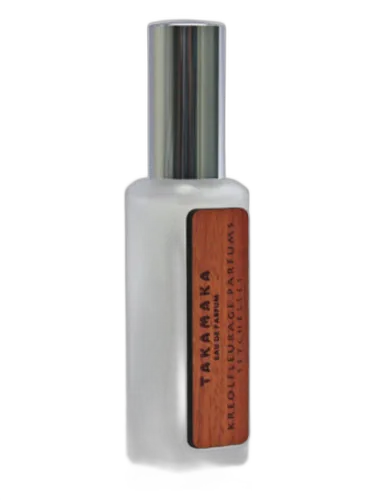

Takamaka Kreolfleurage Parfums
At a glance
Is Takamaka Kreolfleurage Parfums worth trying?
Takamaka by Kreolfleurage Parfums is a fragrance for women and men.
- Best match
- Casual wear in Summer
- Performance feel
- Good longevity with Moderate sillage
- Signature profile
- fresh spicy, citrus, earthy with Takamaka, Lemongrass, Ylang-Ylang
The first impression
Takamaka by Kreolfleurage Parfums is a fragrance for women and men. Takamaka was launched in 2000. The nose behind this fragrance is Dagmar Ehlert.
What shapes the scent
The perfumer behind it

Dagmar Ehlert
Dagmar Ehlert is a perfumer who created Bambou and Takamaka for Kreolfleurage Parfums. These fragrances reflect a focus on natural, botanical ingredients, with Bambou evoking green freshness and Takamaka offering a tropical, woody character. Ehlert's style emphasizes clarity and a sense of place.
Notes pyramid
All Notes
Complete scent profile
 Takamaka
 Lemongrass
 Ylang-Ylang
 Jasmine
 Geranium
 Vetiver
 Cedar
Cedar
 Nutmeg
The mood it creates
The Explorer Archetype: Portrait of Takamaka Kreolfleurage Parfums
Essence
To wear Takamaka Kreolfleurage Parfums is to embody a paradox-a spirit both rooted and restless, drawn to the exotic yet grounded in tradition. This fragrance, with its blend of tropical florals, spices, and earthy undertones, speaks to a soul that thrives on discovery but refuses to be untethered. The person who chooses this scent is not merely a traveler but an Explorer-one of Jung’s most dynamic archetypes.
Shadow
Yet, the Explorer’s strength is also their flaw. Their fear of commitment can leave relationships fragmented, their partners feeling like waypoints rather than destinations. They may struggle with depth, skimming the surface of experiences without fully immersing.
Their independence can curdle into isolation. When the thrill of the new fades, they may find themselves adrift, unable to root anywhere. This can lead to a hollow nostalgia, a longing for places they never truly belonged to.
Worse, their pursuit of novelty can become an addiction, a way to avoid confronting inner voids. If unchecked, they risk becoming eternal tourists in their own lives, never pausing long enough to build something lasting.
Conclusion
This individual is not content with the well-trodden path. Their mind is a map of uncharted territories, their soul nourished by the unfamiliar. They seek not just new places but new perspectives, collecting experiences like rare artifacts. Their tastes are eclectic-perhaps they favor bold, textured fabrics, art that tells a story, or cuisine that challenges the palate. Their style is effortless yet intentional, blending global influences without appearing contrived.
Philosophically, they reject dogma. Life, to them, is an experiment, a series of hypotheses tested against the world. They value freedom above security, curiosity above comfort. Their relationships are rich but often transient; they connect deeply but move on when stagnation looms. Their lifestyle is fluid-perhaps they work remotely, split time between cities, or maintain a home that feels more like a curated museum of their journeys.
If you like this, try these
Fragrances with a comparable profile - shared accords, notes, and character.
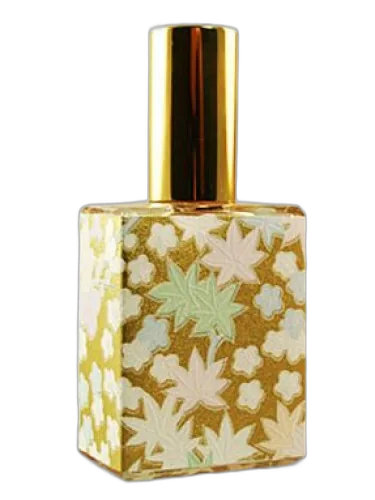
Aroma M
Geisha Hana-cha Eau De Parfum Aroma M
Shared top notes: cedar, jasmine, ylang-ylang
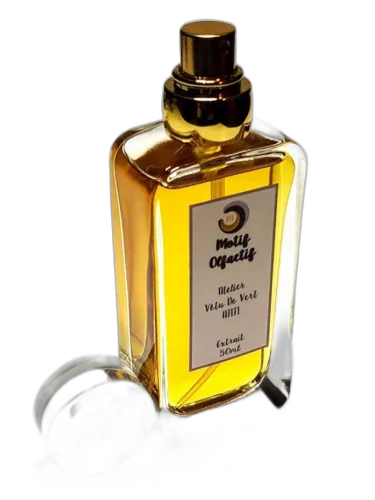
Motif Olfactif
Atelier Vêtu De Vert Motif Olfactif
Shared top notes: cedar, geranium, jasmine
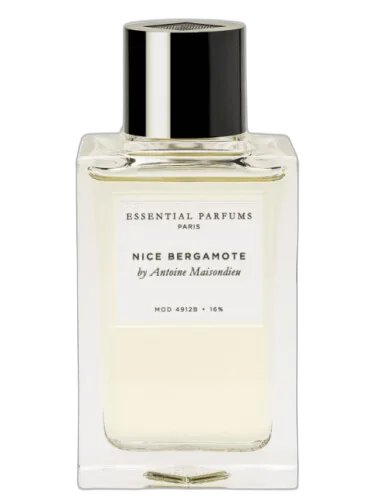
Essential Parfums
Nice Bergamote Essential Parfums
Shared top notes: cedar, jasmine, ylang-ylang
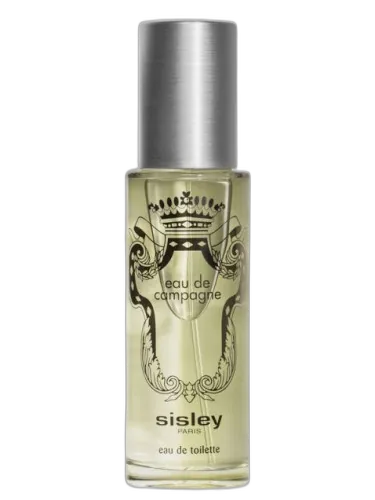
Sisley
Eau De Campagne Sisley
Shared top notes: geranium, jasmine, vetiver

LilaNur Parfums
Vettiver Mousson Lilanur Parfums
Shared top notes: vetiver, ylang-ylang