


Style Pastels Tender Green Jil Sander
At a glance
Is Style Pastels Tender Green Jil Sander worth trying?
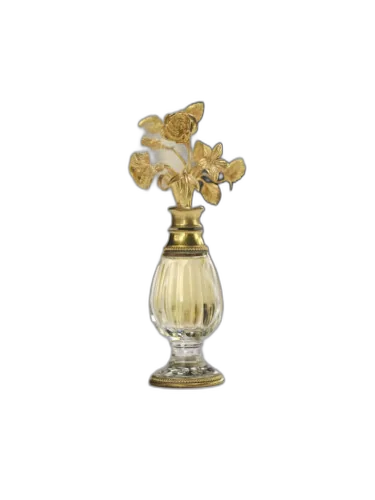
Style Pastels Tender Green by Jil Sander is a Floral Green fragrance for women.
- Best match
- Casual wear in Spring
- Performance feel
- Moderate longevity with Moderate sillage
- Signature profile
- white floral, green, fresh with Tea, Jasmine, Bitter Orange
The first impression
Style Pastels Tender Green by Jil Sander is a Floral Green fragrance for women. Style Pastels Tender Green was launched in 2008. The nose behind this fragrance is Bernard Ellena.
What shapes the scent
The perfumer behind it

Bernard Ellena
Bernard Ellena has created fragrances for a wide range of brands, including Beloved Woman for Amouage, Simply Her for Avon, Colors De Benetton and Tribu for Benetton, Eau De Paradis and L'eau By Vanessa Bruno for Biotherm, Madeleine for Brocard, and About Men for Bruno Banani. His portfolio demonstrates versatility across floral, fresh, and woody genres. Ellena's compositions are known for their clarity and elegant simplicity.
Notes pyramid
All Notes
Complete scent profile
 Tea
Tea
 Jasmine
 Bitter Orange
The mood it creates
The Innocent Archetype: Portrait of Style Pastels Tender Green Jil Sander
Essence
This person is most closely aligned with the Innocent archetype-a seeker of purity, simplicity, and harmony. The Innocent moves through life with an unshaken belief in goodness, drawn to the delicate and the understated. Their choice of Style Pastels Tender Green by Jil Sander reflects this: a fragrance that is fresh, subtle, and quietly luminous, like morning light through new leaves. It is not loud, not demanding, but lingers with a gentle persistence.
The Innocent does not crave grandeur or excess; they find beauty in restraint, in the spaces between things. Yet, beneath this softness lies a quiet resilience-a refusal to be hardened by the world. Their optimism is not naivety but a conscious choice to see possibility where others see only limitation.
Relationships
In relationships, they are attentive but never suffocating. They do not demand constant affirmation, nor do they offer it recklessly. Their love is steady, patient, like the slow unfurling of a fern. They attract those who are drawn to their calm, but they also frustrate those who mistake their quietude for detachment.
They are not the life of the party, but they are the one you seek when the noise becomes too much. Their presence is a sanctuary, though sometimes their reluctance to engage in conflict can leave issues unresolved. They would rather let a wound heal quietly than pick at its edges-a virtue that can become a flaw when avoidance replaces resolution.
Shadow
The Innocent’s greatest strength-their refusal to be corrupted by harshness-can also be their undoing. Their optimism, when unchecked, drifts into idealism, leaving them unprepared for life’s sharper turns. They may ignore problems, hoping they will dissolve on their own, or withdraw when faced with aggression rather than stand their ground.
Their distaste for excess can harden into a subtle judgment of those who indulge, a quiet superiority masked as simplicity. And their love of harmony can make them passive, allowing others to dictate their boundaries rather than asserting their own needs.
Conclusion
Their tastes are refined but never ostentatious. They prefer muted colors-soft greens, pale blues, warm neutrals-like the fragrance they wear. Their wardrobe is structured yet fluid, favoring natural fabrics that move with the body rather than constrain it. They appreciate craftsmanship but disdain extravagance; their luxury is in the unnoticed details-the stitching of a well-made garment, the weight of good paper.
Their philosophy is one of gentle resistance-against cynicism, against excess, against the hurried pace of modern life. They believe in the power of small acts: a handwritten note, a carefully prepared meal, the deliberate choice to listen rather than speak. They are not ascetics, but they reject the idea that more is always better.
If you like this, try these
Fragrances with a comparable profile - shared accords, notes, and character.
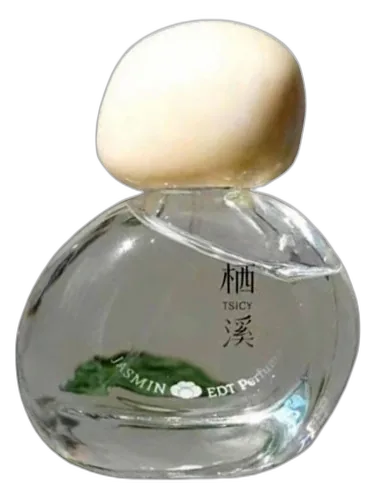
Qixi Tsicy
Jasmine Heart Qixi Tsicy
Shared top notes: jasmine, tea
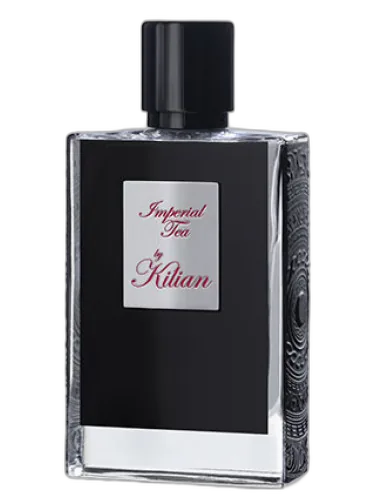
By Kilian
Imperial Tea By Kilian
Shared top notes: jasmine, tea
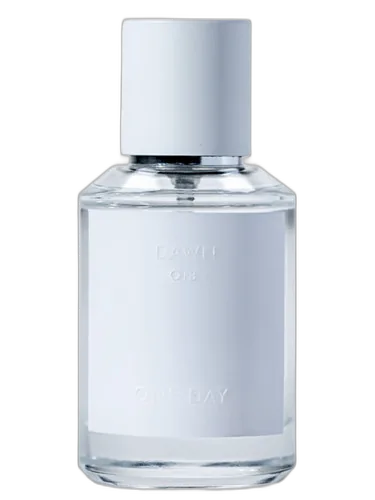
One Day
013 Dawn One Day
Shared top notes: bitter orange
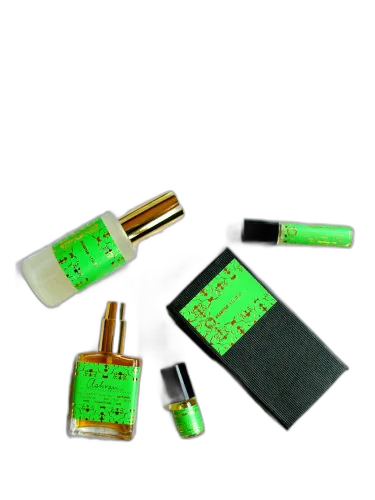
DSH Perfumes
Pompeii Dsh Perfumes
Shared top notes: jasmine
Dior
Diorissimo (2024) Dior
Shared top notes: jasmine