
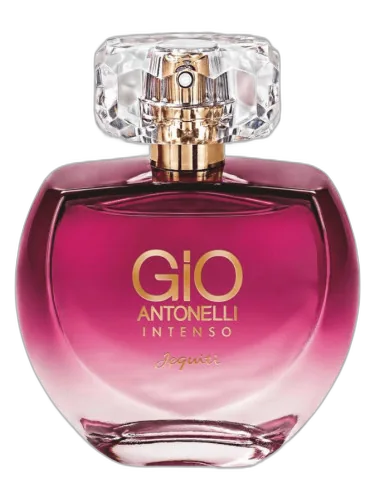

Gio Antonelli Intenso Jequiti
At a glance
Is Gio Antonelli Intenso Jequiti worth trying?
Gio Antonelli Intenso by Jequiti is a Oriental fragrance for women.
- Best match
- Evening, Special Occasion wear in Fall, Winter
- Performance feel
- Good longevity with Moderate sillage
- Signature profile
- white floral, cherry, floral with Sour Cherry, Ginger, Peony
The first impression
Gio Antonelli Intenso by Jequiti is a Oriental fragrance for women. Gio Antonelli Intenso was launched in 2021. The nose behind this fragrance is Carmita Magalhães. Top notes are Sour Cherry, Ginger and Peony; middle notes are Jasmine and Gardenia; base notes are Vetiver and Ambroxan.
What shapes the scent
The perfumer behind it

Carmita Magalhães
Carmita Magalhães is a perfumer who has created fragrances for Ana Hickmann, Avon, and CIEL Parfum. Her work includes Gold In Shadow and Summer Paradise for Ana Hickmann. She also developed scents like Arc-en-ciel Halloween for CIEL Parfum.
Notes pyramid
Top Notes
First impression · 15-30 min
 Sour Cherry
 Ginger
 Peony
Peony
Heart Notes
Core character · 2-4 hours
 Jasmine
 Gardenia
Base Notes
Lasting impression · 4+ hours
 Vetiver
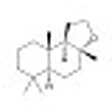 Ambroxan
The mood it creates
The Lover Archetype: Portrait of Gio Antonelli Intenso Jequiti
Essence
This person is defined by the Lover archetype, a figure who seeks beauty, passion, and deep connection in all things. The Lover does not merely exist-they experience, with an intensity that borders on the devotional. Gio Antonelli Intenso Jequiti, with its bold, sensual composition, becomes their olfactory signature: a fragrance that is warm, magnetic, and unapologetically present.
Shadow
Where there is devotion, there is also the risk of obsession. The Lover’s shadow emerges when their hunger for beauty becomes insatiable, when they chase sensation not for joy but to fill an unfillable void. They may lose themselves in hedonism, mistaking intensity for meaning.
They are also prone to a subtle vanity-not the crude narcissism of self-obsession, but a deeper fixation on how they are perceived. They want to be remembered, to leave an imprint. This can lead to a performative quality, a fear of being ordinary.
Conclusion
At their best, they are a reminder that life is meant to be felt, not just endured. They teach others to pause, to savor, to love without reservation. At their worst, they risk becoming prisoners of their own desires, mistaking passion for purpose.
But even in their flaws, there is something admirable-a refusal to live half-heartedly. They would rather burn brightly than fade into the background. And in the end, that is their greatest gift: the courage to desire deeply, even when desire is dangerous.
If you like this, try these
Fragrances with a comparable profile - shared accords, notes, and character.

Lancôme
Hypnôse Eau De Toilette Lancôme
Shared heart notes: gardenia, jasmine
Kenzo
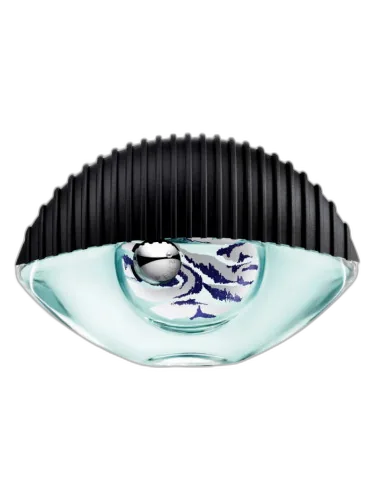
Kenzo World Collector Kenzo
Shared top notes: peony
UERMI
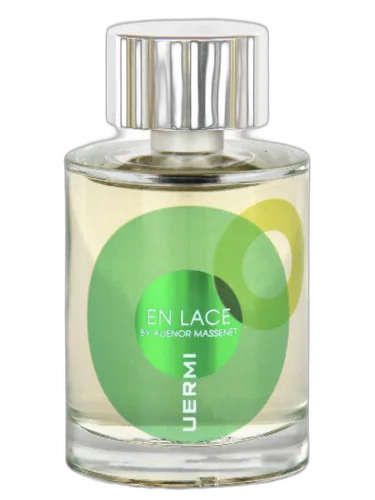
En Lace Uermi
Shared heart notes: gardenia, jasmine

Lancôme
Hypnôse Lancôme
Shared heart notes: gardenia, jasmine
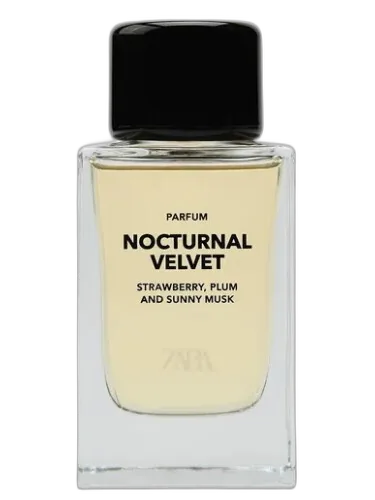
Zara
Nocturnal Velvet Zara
Shared top notes: peony