
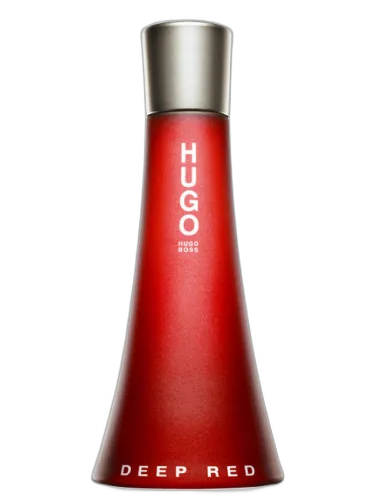

Deep Red Hugo Boss
At a glance
Is Deep Red Hugo Boss worth trying?
Deep Red by Hugo Boss is a Oriental Vanilla fragrance for women.
- Best match
- Evening wear in Fall
- Performance feel
- Good longevity with Moderate sillage
- Signature profile
- citrus, fruity, woody with Blood Orange, Black Currant, Clementine
The first impression
Deep Red by Hugo Boss is a Oriental Vanilla fragrance for women. Deep Red was launched in 2001. Deep Red was created by Alain Astori and Beatrice Piquet. Top notes are Blood Orange, Black Currant, Clementine, Mandarin Orange and Pear; middle notes are Ginger, Ginger flower, Tuberose, Freesia and Hibiscus Seed; base notes are Vanilla, Sandalwood, Musk and California Cedar.
What shapes the scent
The perfumer behind it

Alain Astori
Alain Astori is a French perfumer known for his work with major brands like Adidas, Davidoff, and Benetton. His style balances fresh, energetic accords with clean, masculine structures, often featuring citrus and aquatic notes. He created iconic scents such as Dunhill Edition and David Beckham Instinct, demonstrating versatility across sporty and refined compositions.
Notes pyramid
Top Notes
First impression · 15-30 min
 Blood Orange
 Black Currant
 Clementine
 Mandarin Orange
 Pear
Pear
Heart Notes
Core character · 2-4 hours
 Ginger
 Ginger flower
 Tuberose
 Freesia
Hibiscus Seed
Freesia
Hibiscus Seed
Base Notes
Lasting impression · 4+ hours
 Vanilla
 Sandalwood
 Musk
California Cedar
Musk
California Cedar
The mood it creates
The Lover Archetype: Portrait of Deep Red Hugo Boss
Essence
The one who wears Deep Red by Hugo Boss is governed by the Lover archetype, a figure who seeks intensity, sensuality, and connection. This is not the romantic dreamer lost in idealized love, but the embodied hedonist who craves the richness of experience-tactile, emotional, and aesthetic. The Lover thrives on passion, not just in romance but in all aspects of life: art, food, conversation, and even conflict. They are drawn to what is vivid, intoxicating, and deeply felt.
Yet, the Lover is not without shadows. Their pursuit of pleasure can tip into excess, their charisma into manipulation, their devotion into obsession. They walk the line between ecstasy and ruin, always aware of the abyss beneath their feet.
Relationships
In love, they are magnetic, almost dangerous. They do not love lightly; when they commit, it is with ferocity. Their partners are drawn in by their intensity, the way they make even ordinary moments feel charged. But this same intensity can suffocate. Their shadow emerges in jealousy, in the need to possess, to be the sole object of another’s devotion.
Friendships are equally passionate but less volatile. They are the confidant who listens with rapt attention, the one who remembers the exact wine you loved, the song that made you cry. But they also expect loyalty-sometimes to a fault. Betrayal, real or perceived, cuts deep.
Shadow
The Lover’s greatest weakness is their refusal of moderation. Pleasure, when unchecked, becomes compulsion. They may lose themselves in indulgence-luxury, seduction, even substances-mistaking intensity for fulfillment. Their charm can turn manipulative, their sensuality into a weapon.
And when love fails them, they do not grieve quietly. Their despair is as extravagant as their joy. They may become vengeful, or worse-self-destructive. The same fire that lights their world can burn it down.
Conclusion
Their tastes are bold, unapologetic. They prefer deep red wines, dark chocolate with a bitter edge, and music that throbs with rhythm-jazz, soul, or the sultry pulse of trip-hop. Their wardrobe is sleek, tailored but never stiff; they favor fabrics that drape and move, textures that invite touch. Leather, silk, cashmere-materials that speak of indulgence.
Philosophically, they reject asceticism. Life, to them, is meant to be devoured, not endured. They believe in the wisdom of the senses, trusting instinct over dogma. Yet, they are not mere hedonists; they seek meaning in pleasure, depth in desire. They quote Rilke on love, Nietzsche on passion, and Baudelaire on beauty-but they do not merely recite; they embody these ideas.
If you like this, try these
Fragrances with a comparable profile - shared accords, notes, and character.
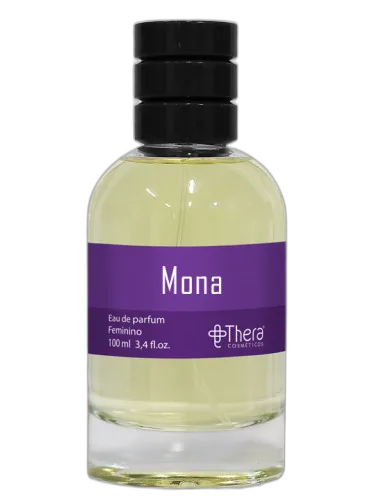
Thera Cosméticos
Mona Thera Cosméticos
Shared top notes: blood orange, mandarin orange, pear
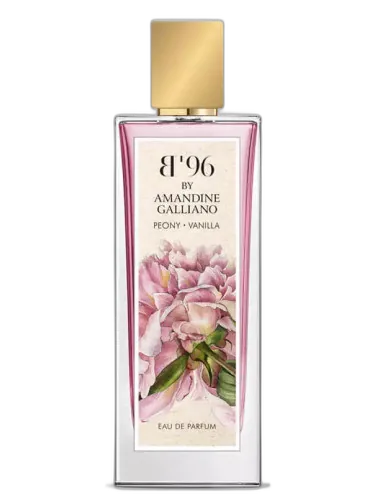
B96
Peony Vanilla B96
Shared top notes: black currant, mandarin orange, pear
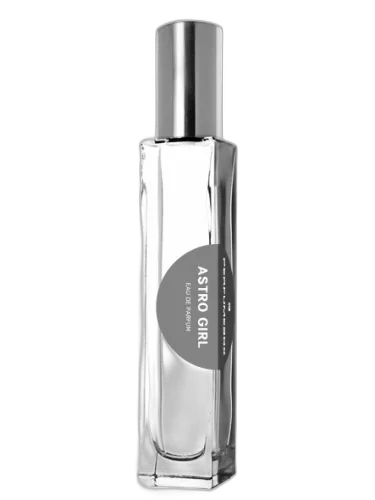
PerfumeBox
Astro Girl Perfumebox
Shared top notes: black currant, mandarin orange, pear
Lancôme
Tresor Sheer Eau De Printemps Lancôme
Shared top notes: black currant, clementine
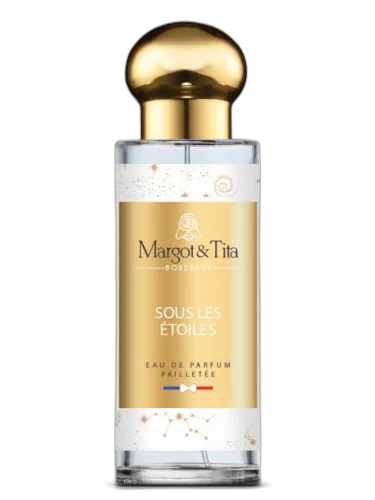
Margot&Tita
Sous Les Étoiles Margot&tita
Shared top notes: mandarin orange