
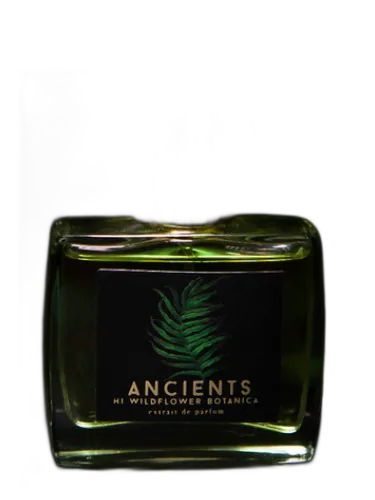

Ancients Hi Wildflower Botanica
At a glance
Is Ancients Hi Wildflower Botanica worth trying?
Ancients by Hi Wildflower Botanica is a Aromatic Fougere fragrance for women and men.
- Best match
- Casual, Office wear in Spring, Summer
- Performance feel
- Moderate longevity with Moderate sillage
- Signature profile
- woody, aromatic, fresh spicy with Balsam Fir, Lavender, Geranium
The first impression
Ancients by Hi Wildflower Botanica is a Aromatic Fougere fragrance for women and men. Ancients was launched in 2016. The nose behind this fragrance is Tanwi Nandini Islam.
What shapes the scent
The perfumer behind it

Tanwi Nandini Islam
Tanwi Nandini Islam is the founder and perfumer of Hi Wildflower Botanica, a Brooklyn-based brand. She created a diverse collection including Ancients, Hanalei, Lovers Rock, and Namaka. Her fragrances often incorporate natural and botanical ingredients with a modern sensibility.
Notes pyramid
All Notes
Complete scent profile
 Balsam Fir
 Lavender
 Geranium
 Violet Leaf
 Oak
Oak
 Violet
 Cedar
Cedar
 Cypress
 Oakmoss
 Palisander Rosewood
 Tonka Bean
The mood it creates
The Sage Archetype: Portrait of Ancients Hi Wildflower Botanica
Essence
Ancients Hi Wildflower Botanica channels the Sage archetype, a seeker of timeless wisdom. The balsam fir and oakmoss evoke ancient forests, while lavender and violet leaf lend a cerebral clarity. They are the quiet observer on a misty trail, deciphering nature's coded messages.
This fragrance feels like a pressed herbarium-dry, aromatic, and layered with history. The cedar and cypress suggest resilience, while the tonka bean adds a whisper of warmth, as if to say even the most analytical minds need solace.
Style & Aesthetic
They wear linen tunics, oversized cardigans, and boots sturdy enough for mountain paths. Their palette leans into earthy neutrals-moss green, slate gray-with occasional flashes of violet (a nod to the floral heart). Their home is a library of field guides and dried botanicals pinned to the walls.
Every object tells a story: a feather bookmark, a vial of forest soil. Their aesthetic is less curated than collected, each piece a fragment of a larger, ongoing study.
Philosophy & Values
They believe in knowledge as a slow harvest. The ozonic accord mirrors their love for untamed landscapes, while the spicy geranium hints at a respect for traditional remedies. They value questions over answers, often saying, "Understand the root, and the fruit will follow."
For them, wisdom isn’t ownership but stewardship. The oak in the fragrance grounds their belief that strength comes from deep roots and communal growth, like trees sharing nutrients underground.
Relationships
They attract those hungry for guidance, though they resist the title of guru. Conversations with them meander like forest streams-sometimes bracing (the fir's sharpness), sometimes soothing (the tonka's creaminess).
In love, they are patient but elusive. A partner might complain they "live in their head," though their loyalty, once earned, is as enduring as the palisander rosewood in the base.
Lifestyle
Dawn finds them sketching lichen or brewing lavender tea. They prefer handwritten letters to texts, and their calendar is punctuated by solstice gatherings and herb-drying workshops. Rainy days are for translating old botanical texts or reorganizing their seed collection.
They’re rarely without a satchel containing a pocket microscope, a notebook, and a sprig of something freshly foraged.
Shadow
Their detachment can harden into isolation. The aromatic dryness may reflect a tendency to over-intellectualize emotions, treating heartache as a problem to solve rather than a storm to weather.
At worst, they become the hermit, mistaking solitude for wisdom and forgetting that even oaks need sunlight.
Conclusion
Ancients Hi Wildflower Botanica is less a perfume than a meditation. It suits those who find divinity in dendrology and poetry in petri dishes. To wear it is to carry a compass, a reminder that the oldest truths often smell like rain on bark.
If you like this, try these
Fragrances with a comparable profile - shared accords, notes, and character.

TRNP
Gondwana Trnp
Shared top notes: geranium, lavender, oakmoss

The Crown Perfumery Co.
Town & Country The Crown Perfumery Co.
Shared top notes: cedar, lavender
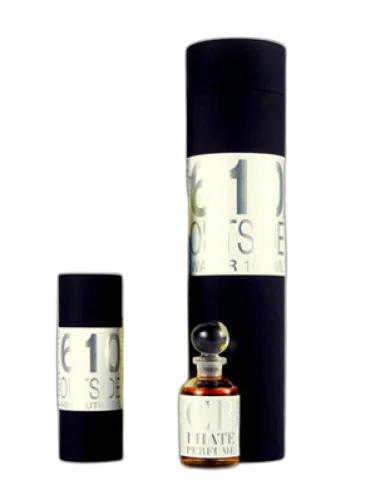
CB I Hate Perfume
610 Outside Cb I Hate Perfume
Shared top notes: cedar, geranium, lavender
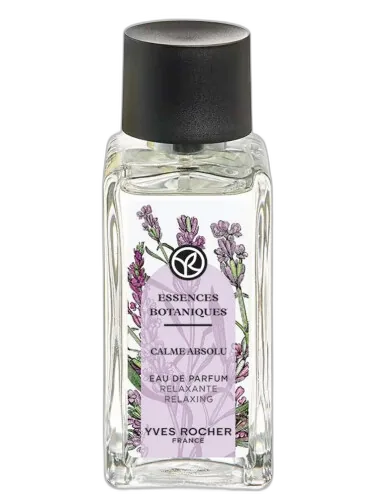
Yves Rocher
Calme Absolu Yves Rocher
Shared top notes: cedar, cypress, lavender

Montale
Sliver Aoud Montale
Shared top notes: cedar, geranium, lavender