


Es Dzintars
At a glance
Is Es Dzintars worth trying?
Es by Dzintars is a Chypre Floral fragrance for women.
- Best match
- Evening, Special Occasion wear in Fall, Winter
- Performance feel
- Good longevity with Strong sillage
- Signature profile
- amber, woody, musky with Aldehydes, Bergamot, Lilac
The first impression
Es by Dzintars is a Chypre Floral fragrance for women. Es was launched in 1965. The nose behind this fragrance is Bronislava Schwarzman. Top notes are Aldehydes, Bergamot and Lilac; middle notes are Jasmine, Iris, Carnation, Patchouli, Labdanum and Tonka Bean; base notes are Musk, Civet, Ambergris, Peru Balsam, Sandalwood and Oakmoss.
What shapes the scent
The perfumer behind it

Bronislava Schwarzman
Bronislava Schwarzman is the perfumer behind many classic Dzintars fragrances, including Agats, Antejs, Ave Sol, Bolero, Būrve, Dan, Do, and Dons Žuans. Her work is rooted in Soviet-era perfumery traditions, often featuring rich, bold accords. Schwarzman's creations are known for their longevity and distinctive character.
Notes pyramid
Top Notes
First impression · 15-30 min
 Aldehydes
 Bergamot
 Lilac
Lilac
Heart Notes
Core character · 2-4 hours
 Jasmine
 Iris
Iris
 Carnation
 Patchouli
 Labdanum
 Tonka Bean
Base Notes
Lasting impression · 4+ hours
 Musk
Musk
 Civet
Civet
 Ambergris
 Peru Balsam
 Sandalwood
 Oakmoss
The mood it creates
The Mystic Archetype: Portrait of Es Dzintars
Essence
Es is the Mystic, a fragrance shrouded in amber and incense, where lilac and jasmine meet animalic depths. It belongs to those who dwell in liminal spaces-between shadow and light, the seen and the unseen. The aldehydes sparkle like distant stars, while civet and oakmoss root it in earthiness.
This scent is for the seeker, the one who peers beyond the veil. It does not offer answers but invites questions, a olfactory riddle wrapped in labdanum and sandalwood.
Style & Aesthetic
They wear draped silks and velvet, fabrics that catch the light strangely. Their jewelry is antique-cameos, lockets with unknown portraits, rings set with dark stones. The Mystic’s home is a cabinet of curiosities: dried herbs in glass jars, tarot cards fanned across a desk, candles burned to stubs.
They prefer dim lighting and the scent of aged paper. Their aesthetic is neither gothic nor bohemian but something older, quieter, like a forgotten chapel overgrown with ivy.
Philosophy & Values
They believe in the interconnectedness of all things. The Mystic values intuition over dogma, finding truth in dreams and synchronicities. For them, the material world is merely the surface of a deeper, stranger reality.
They are drawn to the esoteric but disdain pretension. Their spirituality is personal, woven from fragments of folklore, alchemy, and half-remembered prayers.
Relationships
They attract fellow travelers and the quietly haunted. Romantic partners are often intellectuals or artists, people who appreciate their layered mind. Love, for the Mystic, is a slow unraveling-a sharing of secrets under midnight skies.
Friends come to them for advice, though their answers are often cryptic. Their relationships thrive on depth, not frequency; they may vanish for weeks, only to return with a pressed flower and a story.
Lifestyle
They keep odd hours, reading until dawn or walking empty streets at twilight. Work might involve restoring old books, studying herbalism, or composing music for obscure instruments. The Mystic collects experiences like talismans-a vial of river water, a feather found on a gravestone.
Their rituals are private: brewing tea from foraged herbs, sketching symbols in the margins of notebooks, whispering to the moon.
Shadow
They risk losing themselves in abstraction, becoming untethered from the mundane world. The Mystic’s detachment can border on coldness, a reluctance to engage with practical needs. At their worst, they spiral into isolation, mistaking solitude for wisdom.
They must remember that mystery loses its meaning without someone to share it.
Conclusion
Es is a fragrance for those who walk between worlds. It lingers like incense in a hidden room, both unsettling and familiar. The Mystic wears it as an invocation, a way to call forth the unseen. In its depths, jasmine and civet entwine-a reminder that beauty and strangeness are often the same thing.
If you like this, try these
Fragrances with a comparable profile - shared accords, notes, and character.
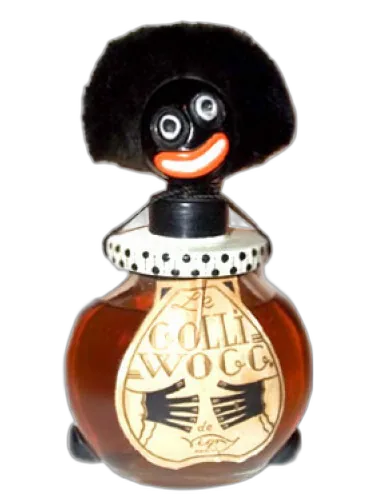
Vigny
Le Golliwogg Vigny
Shared top notes: aldehydes, bergamot
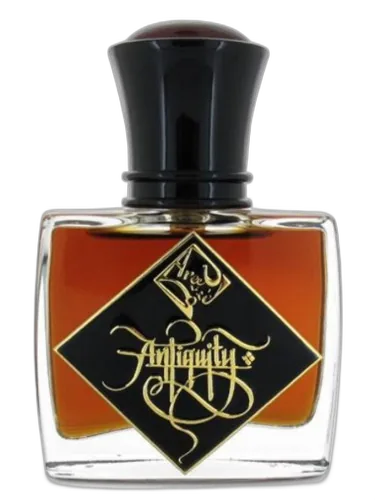
Areej Le Doré
Antiquity Areej Le Doré
Shared top notes: aldehydes, bergamot
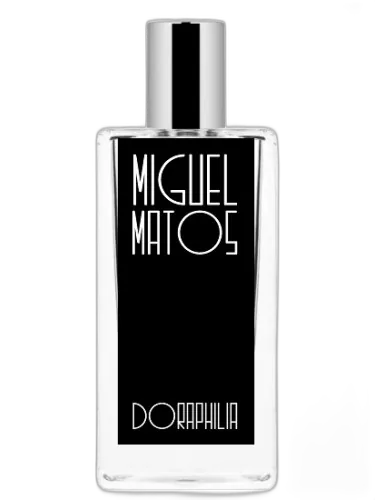
Miguel Matos
Doraphilia Miguel Matos
Shared top notes: aldehydes, bergamot, lilac
Dzintars
Tu Dzintars
Shared top notes: aldehydes, bergamot, lilac
Северное сияние
Балтийские - Baltic Parfum Северное Сияние
Shared top notes: aldehydes, bergamot