


Briga (1982) Dzintars
At a glance
Is Briga (1982) Dzintars worth trying?
Briga (1982) by Dzintars is a fragrance for men.
- Best match
- Casual wear in Spring, Summer
- Performance feel
- Moderate longevity with Moderate sillage
- Signature profile
- woody, powdery, musky with Sea Salt, Sandalwood, Musk
The first impression
Briga (1982) by Dzintars is a fragrance for men. Briga (1982) was launched in 1982. Briga (1982) was created by Antonina Vitkovskaya, Victoria Ryabko and Liesma Oše (Prūse).
What shapes the scent
The perfumer behind it

Antonina Vitkovskaya
Antonina Vitkovskaya was a prominent Soviet and Latvian perfumer, best known for her long tenure at the Dzintars perfume factory in Riga. Her olfactory style balanced bold, floral compositions with subtle woody and amber undertones, creating accessible yet sophisticated fragrances. She created numerous iconic Dzintars scents, including Allegro (1981) and Briga (1982), which became beloved staples in Eastern Europe.
Notes pyramid
All Notes
Complete scent profile
 Sea Salt
 Sandalwood
 Musk
Musk
 Citruses
 Lavender
 Fern
Fern
The mood it creates
The Sage Archetype: Portrait of Briga (1982) Dzintars
Essence
To wear Briga (1982) Dzintars is to embrace a fragrance that is both nostalgic and enigmatic-a blend of powdery florals, warm spices, and a faintly resinous depth. It is neither loud nor fleeting; it lingers with quiet confidence, suggesting a mind that values subtlety over spectacle. The person who cherishes this scent is likely drawn to its understated complexity, much like their own inner world-layered, introspective, and rich with meaning.
At their core, they embody the Sage archetype, the seeker of wisdom, the observer who finds truth not in grand declarations but in quiet contemplation. They are drawn to knowledge, not for prestige, but for the sheer pleasure of understanding. Their life is a tapestry woven from books, conversations, and solitary reflections, each thread a fragment of a greater pattern they are always trying to discern.
Shadow
Yet wisdom has its costs. The Sage’s greatest strength-their ability to analyze and reflect-can also become their prison. At times, they retreat too far into their mind, mistaking contemplation for living. They may struggle with analysis paralysis, endlessly dissecting decisions until the moment to act has passed.
Their detachment, while often a virtue, can harden into emotional distance. They may rationalize feelings rather than feel them, turning love into a concept and grief into a philosophical exercise. This can leave their relationships starved of warmth, their partners or friends longing for a presence that is not always fully there.
There is also a quiet arrogance lurking beneath their humility. The Sage, convinced of their own objectivity, may dismiss more intuitive or passionate perspectives as naive. They might grow impatient with those who do not share their depth of thought, forgetting that wisdom is not the only valid way to navigate the world.
Conclusion
The lover of Briga (1982) Dzintars is, above all, a seeker. They do not crave answers so much as the pursuit of them. Their life is a quiet rebellion against the superficial, a refusal to be swept up in noise and haste. Yet their challenge is to remember that wisdom is not just to be collected but to be lived-that the mind, for all its brilliance, must sometimes yield to the heart, to the body, to the messy, unthinking pulse of existence.
They are not perfect, nor do they wish to be. They are simply-and profoundly-a person who believes that to understand is to be free. And in that belief, they find both their greatness and their limits.
If you like this, try these
Fragrances with a comparable profile - shared accords, notes, and character.
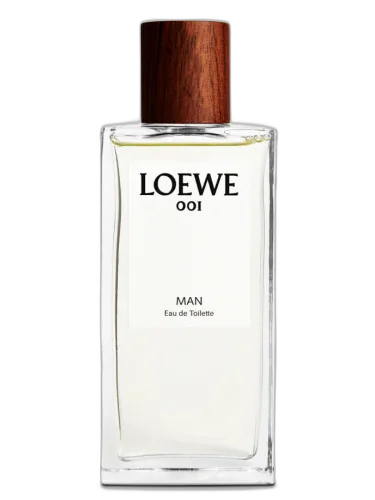
Loewe
Loewe 001 Man Edt Loewe
Shared top notes: lavender, musk, sandalwood

Frederic M
Autoportrait Frederic M
Shared top notes: citruses, musk, sandalwood
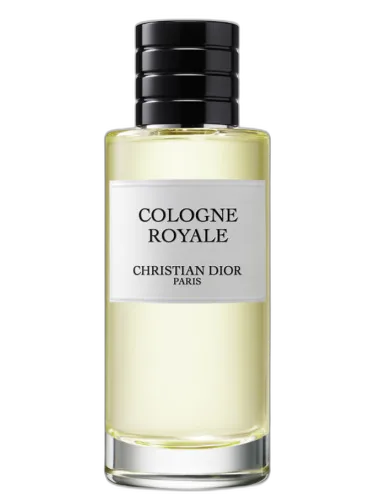
Dior
La Collection Couturier Parfumeur Cologne Royale Dior
Shared top notes: citruses, musk
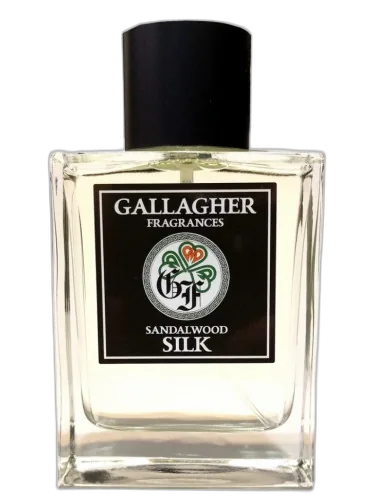
Gallagher Fragrances
Sandalwood Silk Gallagher Fragrances
Shared top notes: musk, sandalwood
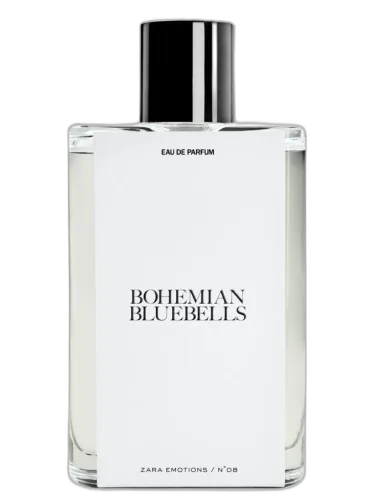
Zara
Bohemian Bluebells Zara
Shared top notes: lavender, musk, sandalwood