


Kumo No Koromo Di Ser
At a glance
Is Kumo No Koromo Di Ser worth trying?
Kumo no Koromo by DI SER is a fragrance for women and men.
- Best match
- Evening, Special Occasion wear in Fall, Winter
- Performance feel
- Excellent longevity with Strong sillage
- Signature profile
- woody, aromatic, fresh spicy with Pine Tree, Hinoki Wood, Cypress
The first impression
Kumo no Koromo by DI SER is a fragrance for women and men. This is a new fragrance. Kumo no Koromo was launched in 2024. The nose behind this fragrance is Yasuyuki Shinohara.
What shapes the scent
The perfumer behind it

Yasuyuki Shinohara
Yasuyuki Shinohara is a Japanese perfumer who has crafted numerous fragrances for the Di Ser brand. His extensive catalog includes Adameku, Akanesasu, Diana, Hana Matsuri, Hana No Oto, Hasunoito, Hikaru Daichi, and Hoshi Tsukiyo. Shinohara's work is characterized by natural, botanical ingredients and a deep connection to Japanese aesthetics.
Notes pyramid
All Notes
Complete scent profile
 Pine Tree
 Hinoki Wood
 Cypress
 Star Anise
 Neroli
 Agarwood (Oud)
 Vetiver
 Cypriol Oil or Nagarmotha
 Patchouli
 Bergamot
 Sandalwood
The mood it creates
The Sage Archetype: Portrait of Kumo No Koromo Di Ser
Essence
Kumo No Koromo embodies the Sage, a seeker of wisdom and clarity. The fragrance's pine, hinoki, and oud create a meditative atmosphere, as if stepping into an ancient forest temple. They are contemplative and introspective, drawn to the quiet spaces where truth reveals itself.
Their essence is one of depth and restraint, mirrored in the scent's balance of woody and spicy notes. They do not seek answers so much as they seek the right questions, understanding that knowledge is a process, not a destination.
Style & Aesthetic
They favor clean lines and natural materials-linen, stone, unadorned wood. Their wardrobe is subdued but intentional, with each piece chosen for its harmony and function. They are drawn to spaces that feel both grounded and expansive, like a sunlit study or a mist-covered garden.
Their aesthetic is one of quiet reverence, a reflection of their inner world. Even the simplest object-a well-made cup, a single branch in a vase-holds meaning for them.
Philosophy & Values
They believe in the power of observation, of listening more than speaking. The fragrance's star anise and cypress suggest a mind attuned to nuance, capable of holding multiple truths at once. They value patience, precision, and the humility that comes with true understanding.
Yet, they are not detached scholars. The warmth of sandalwood in the base notes reveals their compassion, a reminder that wisdom is worthless without connection.
Relationships
In relationships, they are steady and perceptive, offering insight rather than advice. They are the friend who remembers what you forgot to say, the partner who understands silence as easily as words. Their presence is calming, like the scent of rain on dry earth.
They struggle with emotional expressiveness, sometimes hiding behind intellect. But those who earn their trust find a loyalty as deep as the roots of an old tree.
Lifestyle
Their days are structured around rituals-morning meditation, evening tea, the careful application of perfume. These acts are not routines but anchors, ways to return to center amid life's chaos.
They are drawn to solitary pursuits: reading, writing, walking. But they also understand the value of shared silence, of sitting with another person in perfect stillness.
Shadow
Their pursuit of wisdom can become a retreat from life, a hiding place in the mind. They may overanalyze emotions, dissecting them until they lose their power. At times, their restraint borders on repression.
The challenge is to step out of the observer's role and into the messy, beautiful act of living.
Conclusion
Kumo No Koromo is a fragrance of quiet depth, a reminder that the truest knowledge often comes in whispers. The Sage who wears it understands that wisdom is not found in answers but in the spaces between them, in the scent of pine and the hush of dawn.
If you like this, try these
Fragrances with a comparable profile - shared accords, notes, and character.
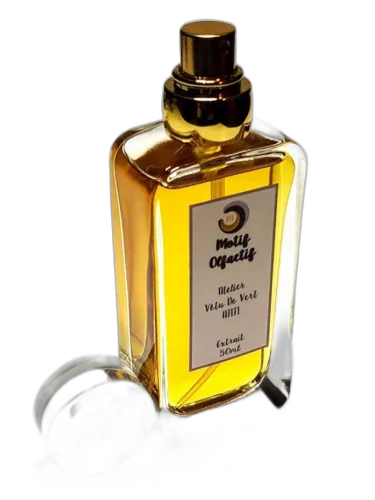
Motif Olfactif
Atelier Vêtu De Vert Motif Olfactif
Shared top notes: bergamot, cypress, patchouli
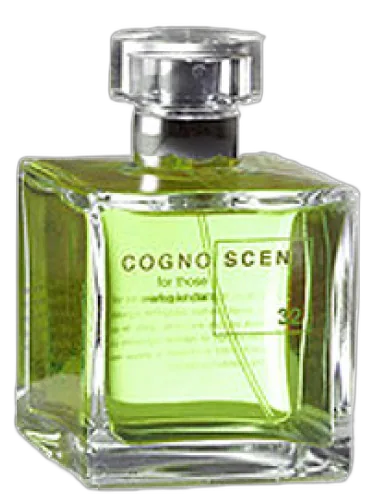
Cognoscenti
No 32 Blue Oud Cognoscenti
Shared top notes: agarwood (oud), cypress, vetiver

Antonio Puig
Brave Agua Brava Antonio Puig
Shared top notes: bergamot, patchouli, pine tree

Nina's Nature
Wolf Nina's Nature
Shared top notes: cypress, sandalwood
Ramon Monegal
Tristan Ramon Monegal
Shared top notes: cypress, pine tree