


Hana No Oto Di Ser
At a glance
Is Hana No Oto Di Ser worth trying?
Hana No Oto by DI SER is a fragrance for women and men.
- Best match
- Casual, Office wear in Spring, Summer
- Performance feel
- Good longevity with Moderate sillage
- Signature profile
- woody, aromatic, rose with Hinoki Wood, Rose Oil, Rose
The first impression
Hana No Oto by DI SER is a fragrance for women and men. This is a new fragrance. Hana No Oto was launched in 2022. The nose behind this fragrance is Yasuyuki Shinohara.
What shapes the scent
The perfumer behind it

Yasuyuki Shinohara
Yasuyuki Shinohara is a Japanese perfumer who has crafted numerous fragrances for the Di Ser brand. His extensive catalog includes Adameku, Akanesasu, Diana, Hana Matsuri, Hana No Oto, Hasunoito, Hikaru Daichi, and Hoshi Tsukiyo. Shinohara's work is characterized by natural, botanical ingredients and a deep connection to Japanese aesthetics.
Notes pyramid
All Notes
Complete scent profile
 Hinoki Wood
 Rose Oil
 Rose
Japanese Lemon
Rose
Japanese Lemon
 Jasmine
 Agarwood (Oud)
The mood it creates
The Sage Archetype: Portrait of Hana No Oto Di Ser
Essence
Hana No Oto embodies the Sage, offering wisdom through its harmonious blend of hinoki wood, rose, and Japanese lemon. The fragrance is a meditation-citrus brightening the mind, rose opening the heart, and oud grounding the spirit. It speaks to those who seek truth in stillness.
This is a scent for contemplation. The jasmine and lemon evoke clarity, while the hinoki's austerity suggests disciplined thought. Unlike showier florals, this fragrance whispers its insights, rewarding those who listen closely.
Style & Aesthetic
They favor minimalist design-linen tunics, unadorned ceramics. Their wardrobe palette leans toward indigo and stone, letting the fragrance's subtle complexity stand out. A single sprig of ikebana on their desk reflects their belief in essential beauty.
Their home is a sanctuary: tatami mats, shelves of well-thumbed philosophy texts. The scent lingers here like a silent teacher, present but never imposing.
Philosophy & Values
They value knowledge that nurtures. The rose oil's depth mirrors their understanding that wisdom without compassion is hollow. Japanese lemon's crispness reflects their insistence on cutting through illusion.
For them, learning is lifelong. The oud's ancient resonance speaks to their respect for tradition, while the citrus's immediacy keeps them engaged with the present moment.
Relationships
They are sought-after mentors but guard their solitude. Romantic partners must appreciate quiet companionship-the hinoki's introspective quality demands space. Friends cherish their advice, though it's often delivered through probing questions rather than answers.
Their love language is teaching-gifting books, sharing tea rituals. The jasmine's fleeting sweetness hints at their moments of unexpected warmth amid scholarly reserve.
Lifestyle
Mornings begin with meditation or calligraphy, the lemon top notes sharpening focus. They thrive as academics, therapists, or artisans mastering a craft. Evenings are for rereading classics with green tea, the woody base notes deepening as night falls.
They practice intentional living-owning few but exquisite things. The fragrance's moderate sillage mirrors their dislike of unnecessary noise.
Shadow
Their shadow is detachment. The hinoki's austerity can become emotional withdrawal. They must remember that wisdom, like the rose in the scent, requires connection to bloom fully.
At worst, they critique more than they create. The oud's intensity warns against becoming dogmatic. True Sages, like balanced fragrances, leave room for mystery.
Conclusion
Hana No Oto is a Sage's companion-a fragrance for those who pursue understanding with quiet fervor. Like ink dissolving in water, it reveals its depths gradually, reminding us that the most profound truths often speak in whispers.
If you like this, try these
Fragrances with a comparable profile - shared accords, notes, and character.
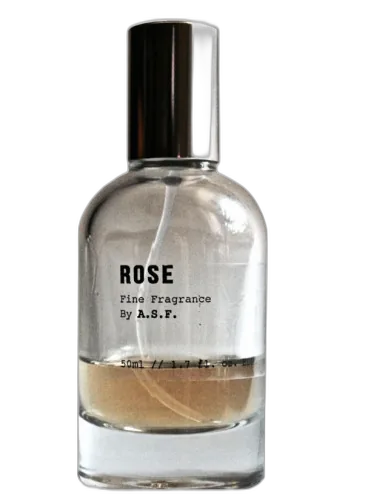
Allen Shaw
Rose Allen Shaw
Shared top notes: agarwood (oud), jasmine, rose
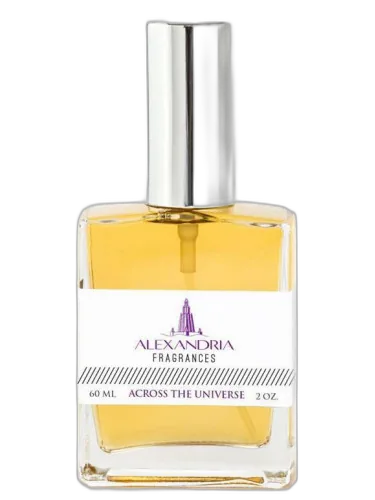
Alexandria Fragrances
Across The Universe Alexandria Fragrances
Shared top notes: jasmine, rose
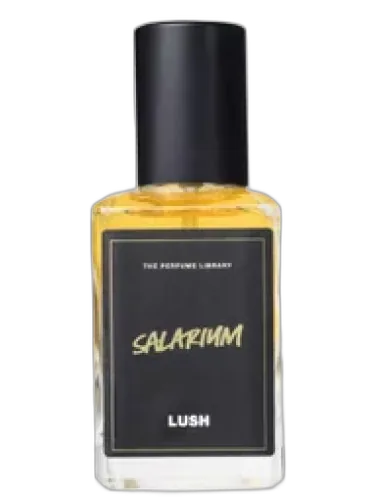
Lush
Salarium Lush
Shared top notes: rose

Meleg Perfumes
Oud Meleg Perfumes
Shared top notes: agarwood (oud), jasmine, rose
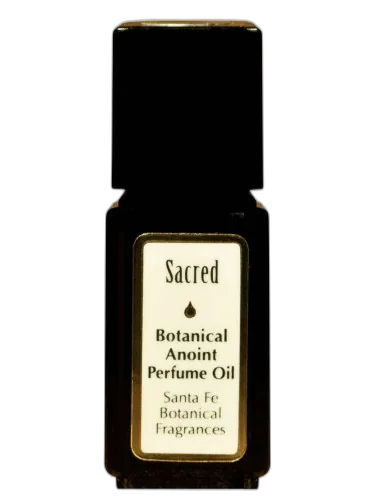
Santa Fe Botanical Natural Fragrance Collection
Sacred Anoint Santa Fe Botanical Natural Fragrance Collection
Shared top notes: jasmine, rose