


Comme Des Garcons Series 3 Incense: Kyoto Comme Des Garcons
At a glance
Is Comme Des Garcons Series 3 Incense: Kyoto Comme Des Garcons worth trying?
Comme des Garcons Series 3 Incense: Kyoto by Comme des Garcons is a Oriental Woody fragrance for women and men.
- Best match
- Evening wear in Fall, Winter
- Performance feel
- Good longevity with Strong sillage
- Signature profile
- woody, aromatic, amber with Incense, Cypress, Cedar
The first impression
Comme des Garcons Series 3 Incense: Kyoto by Comme des Garcons is a Oriental Woody fragrance for women and men. Comme des Garcons Series 3 Incense: Kyoto was launched in 2002. The nose behind this fragrance is Bertrand Duchaufour.
What shapes the scent
The perfumer behind it

Bertrand Duchaufour
Bertrand Duchaufour is a renowned French perfumer with a prolific career spanning many brands. He has created fragrances for Acqua di Parma, including Blu Mediterraneo - Cipresso Di Toscana and Colonia Assoluta, as well as for Aedes de Venustas, such as Café Tabac and Copal Azur. His style is known for its complexity and use of natural ingredients.
Notes pyramid
All Notes
Complete scent profile
 Incense
 Cypress
 Cedar
Cedar
 Vetiver
 Teak Wood
 Immortelle
 Patchouli
 Amber
Amber
 Coffee
The mood it creates
The Sage Archetype: Portrait of Comme Des Garcons Series 3 Incense: Kyoto Comme Des Garcons
Essence
To wear Comme des Garçons Series 3 Incense: Kyoto is to carry the weight of quietude, the scent of sacred spaces, and the slow burn of contemplation. This fragrance-dry, woody, austere, with the faintest whisper of incense-belongs to one who walks the world as if it were a temple, observing rather than indulging, distilling rather than drowning. Their archetype is the Sage, the seeker of wisdom, the keeper of hidden truths, the one who stands apart to see more clearly.
Philosophy & Values
This person moves through life with deliberate restraint, as though every action were a ritual. They are drawn to the minimal, the essential, the things that speak in silence. Their taste in art favors monochrome ink paintings, the stark geometry of Brutalist architecture, the measured cadence of haiku. They do not clutter their space or their mind; their home is a sanctuary of order, where objects are chosen for their meaning, not their novelty.
Philosophically, they are drawn to Zen Buddhism, Stoicism, or the writings of Schopenhauer-systems that prize detachment, clarity, and the transcendence of desire. They do not chase happiness; they seek understanding. Their values are rooted in authenticity, depth, and the refusal of superficiality. They would rather be alone than in shallow company, and they measure time not in hours but in moments of insight.
Shadow
Yet the Sage is not without their burdens. Their love of solitude can harden into isolation, their discipline into dogma. They may dismiss the emotional turbulence of others as weakness, forgetting that wisdom without compassion is merely cleverness in disguise. Their restraint, when unchecked, becomes repression-an unwillingness to surrender to spontaneity, to the messiness of life.
In relationships, they are loyal but distant, offering counsel more readily than warmth. They inspire respect but sometimes fail to invite intimacy. Their partners may admire their depth but long for a crack in their composure, a moment where they simply feel rather than analyze. The Sage’s greatest fear is not failure but irrelevance-to be lost in the noise, to have their hard-won insights go unheard.
Conclusion
Their lifestyle mirrors their essence: deliberate, unhurried, yet never stagnant. They may be a writer, a scholar, a designer, or simply a quiet observer of the world-someone who works with precision rather than haste. They travel not for escape but for immersion, seeking places where history and silence converge: Kyoto’s moss-covered temples, the deserts of Morocco, the hushed libraries of old European cities.
They dress with the same intentionality-neutral tones, structured fabrics, nothing superfluous. Their aesthetic is not cold but considered, each piece a statement of restraint. They do not follow trends; they embody a timelessness that defies them.
If you like this, try these
Fragrances with a comparable profile - shared accords, notes, and character.

Montale
Full Incense Montale
Shared top notes: incense, patchouli
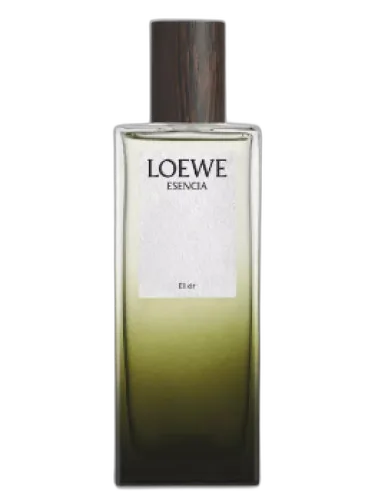
Loewe
Esencia Elixir Loewe
Shared top notes: amber, patchouli, vetiver

Alfred Dunhill
Dunhill Pursuit Alfred Dunhill
Shared top notes: amber, cedar, incense

DS&Durga
Amber Kiso Ds&durga
Shared top notes: cedar, cypress, incense

Natura
Amor América Palo Santo Natura
Shared top notes: amber, cedar, incense