
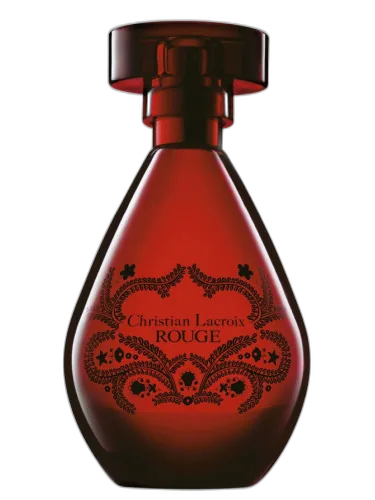
Rouge Christian Lacroix
At a glance
Is Rouge Christian Lacroix worth trying?
Rouge by Christian Lacroix is a Chypre Floral fragrance for women.
- Best match
- Evening, Special Occasion wear in Spring, Fall
- Performance feel
- Good longevity with Moderate sillage
- Signature profile
- floral, fresh spicy, woody with White Pepper, Red Peony, Orange
The first impression
Rouge by Christian Lacroix is a Chypre Floral fragrance for women. Rouge was launched in 2007. Rouge was created by Laurent Le Guernec and Carlos Benaïm. Top notes are White Pepper, Red Peony and Orange; middle notes are Lotus and Osmanthus; base notes are Patchouli, Cashmere Wood and Musk.
What shapes the scent
The perfumer behind it

Carlos Benaïm
Carlos Benaïm is a perfumer with a diverse portfolio spanning A Lab on Fire, Alfred Dunhill, and Aramis. He created Liquidnight for A Lab on Fire and Century for Alfred Dunhill. His work also includes Quorum for Antonio Puig and Havana Pour Elle for Aramis.
Notes pyramid
Top Notes
First impression · 15-30 min
 White Pepper
Red Peony
White Pepper
Red Peony
 Orange
Heart Notes
Core character · 2-4 hours
 Lotus
Lotus
 Osmanthus
Base Notes
Lasting impression · 4+ hours
 Patchouli
Cashmere Wood
Patchouli
Cashmere Wood
 Musk
Musk
The mood it creates
The Lover Archetype: Portrait of Rouge Christian Lacroix
Essence
To wear Rouge by Christian Lacroix is to embrace the intoxicating dance of seduction and theatricality. This fragrance-bold, opulent, unapologetically decadent-speaks to a soul who thrives in the liminal space between fantasy and reality. The wearer is not merely a person but an event, a force of nature draped in velvet and fire. They are, above all, an embodiment of The Lover archetype-one who lives through the senses, who worships beauty, and whose existence is a hymn to desire.
Shadow
Yet, like all who worship at the altar of sensation, they are not without their demons. Their pursuit of intensity can tip into recklessness-a string of ruined romances, financial imprudence, nights that spiral into self-destruction. The same passion that makes them radiant can also make them volatile; they are prone to dramatic moods, to loving too fiercely and resenting just as deeply.
Their greatest flaw is their refusal of stillness. They fear boredom like death, and in their relentless chase for the next thrill, they sometimes forget that depth requires roots. Relationships may suffer under the weight of their need for constant stimulation-they love the idea of love more than the labor of it. And when the music stops, when the lights dim, they are left with a hollowness that no amount of beauty can fill.
Conclusion
Their world is one of deliberate extravagance. They do not merely dress; they adorn themselves like a Renaissance painting, favoring rich textures, deep reds, and gold accents that catch the light just so. Their home is a sanctuary of aesthetic indulgence-antique mirrors reflecting candlelight, books of poetry and art stacked haphazardly, a lingering scent of amber and roses in the air. They collect experiences like rare perfumes: a night at the opera, an impulsive trip to Marrakech, a whispered conversation in a dimly lit bar.
Philosophically, they reject the mundane with near-religious fervor. To them, life is not meant to be endured but devoured. They believe in the transformative power of beauty, in the idea that passion is the highest form of truth. Their values are hedonistic yet refined-they seek not just pleasure, but the perfect pleasure, the kind that lingers in the memory like a half-remembered dream.
If you like this, try these
Fragrances with a comparable profile - shared accords, notes, and character.
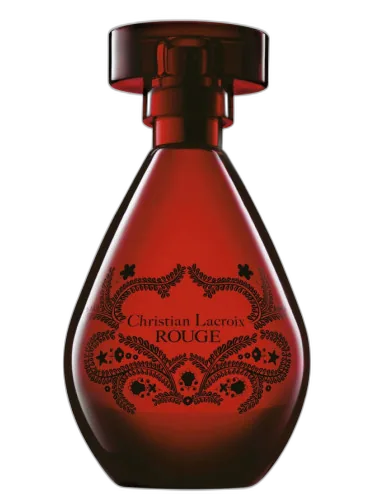
Avon
Christian Lacroix Rouge Avon
Shared top notes: orange, red peony, white pepper

Jacques Fath
Red Shoes Jacques Fath
Shared base notes: cashmere wood, musk, patchouli
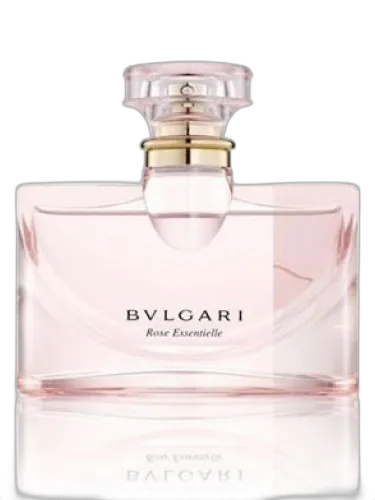
Bvlgari
Bvlgari Rose Essentielle Eau De Toilette Rosee Bvlgari
Shared top notes: orange
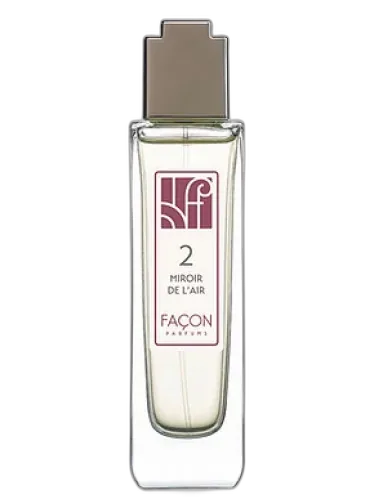
Parfums de Folleville
Miroir De L'air Parfums De Folleville
Shared heart notes: osmanthus
Etro
Udaipur Etro
Shared heart notes: lotus