
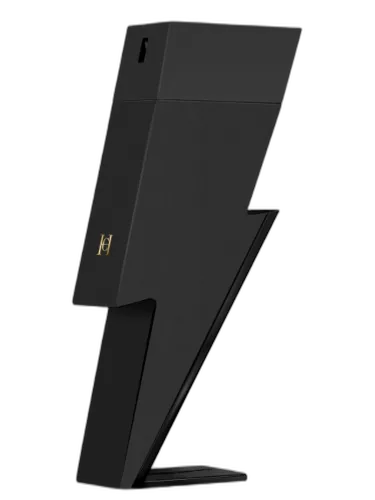

Bad Boy Le Parfum Carolina Herrera
At a glance
Is Bad Boy Le Parfum Carolina Herrera worth trying?
Bad Boy Le Parfum by Carolina Herrera is a Leather fragrance for men.
- Best match
- Evening wear in Fall, Winter
- Performance feel
- Very Good longevity with Strong sillage
- Signature profile
- aromatic, fresh spicy, cannabis with cannabis, Grapefruit, Black Pepper
The first impression
Bad Boy Le Parfum by Carolina Herrera is a Leather fragrance for men. Bad Boy Le Parfum was launched in 2021. Bad Boy Le Parfum was created by Fanny Bal, Bruno Jovanovic and Nicolas Beaulieu. Top notes are cannabis and Grapefruit; middle notes are Black Pepper and Geranium; base notes are Leather and Vetiver.
What shapes the scent
The perfumer behind it

Bruno Jovanovic
Bruno Jovanovic is a versatile perfumer whose work spans multiple brands, including A Lab on Fire, Abercrombie & Fitch, Al-Jazeera Perfumes, Amouage, Avon, and Awshal. His catalog features Almost Transparent Blue, Fierce, 380, Moscow, Opus Xii - Rose Incense, The Library Collection Rose Incense, Crystal Aura, and Perles De Myrrhe. Jovanovic's compositions range from fresh and sporty to rich and incense-laden, demonstrating his broad expertise.
Notes pyramid
Top Notes
First impression · 15-30 min
 cannabis
 Grapefruit
Heart Notes
Core character · 2-4 hours
 Black Pepper
 Geranium
Base Notes
Lasting impression · 4+ hours
 Leather
 Vetiver
The mood it creates
The Rebel Archetype: Portrait of Bad Boy Le Parfum Carolina Herrera
Essence
At the core of this person’s being lies the Rebel, an archetype that thrives on defiance, magnetism, and the thrill of breaking conventions. Bad Boy Le Parfum-bold, spicy, and unapologetically seductive-mirrors their essence: a man who refuses to be confined by the mundane. He is not merely a rule-breaker for the sake of chaos, but rather a figure who challenges norms because he believes in the power of self-invention.
Shadow
Yet, the Rebel’s defiance carries a cost. His resistance to structure can become self-sabotage; he may dismiss valuable traditions simply because they are traditional. His aversion to routine sometimes manifests as recklessness-financial imprudence, impulsive decisions, or a disregard for consequences. He scoffs at authority but occasionally forgets that not all rules exist to oppress; some exist to protect.
In relationships, his fear of stagnation can make him emotionally nomadic. He may leave lovers bewildered, wondering if they ever truly knew him. His charm is a double-edged sword-it seduces, but it also shields. Beneath the bravado lies a paradox: the man who prizes authenticity may, at times, perform his own myth so well that even he loses sight of where the persona ends and the true self begins.
Conclusion
His presence is electric, a blend of confidence and mystery that draws others in. He wears leather jackets not as a costume, but as a second skin-symbolic armor against a world that demands conformity. His style is sharp, modern, yet with a hint of vintage rebellion, as if he exists both in the present and in some timeless underworld of rogues and iconoclasts.
Philosophically, he rejects dogma. He is neither nihilist nor idealist, but a pragmatist who carves his own path. He values freedom above all-freedom of thought, movement, and desire. Relationships, to him, are intense but fleeting; he is drawn to those who match his energy, but commitment feels like a cage. He loves deeply, but on his own terms, and his partners often find themselves intoxicated by his passion yet frustrated by his elusiveness.
If you like this, try these
Fragrances with a comparable profile - shared accords, notes, and character.
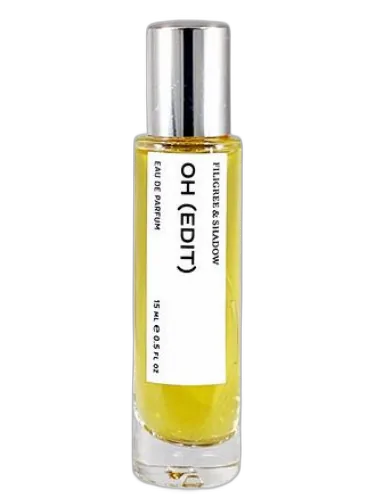
Filigree & Shadow
Oh (edit) Filigree & Shadow
Shared top notes: grapefruit
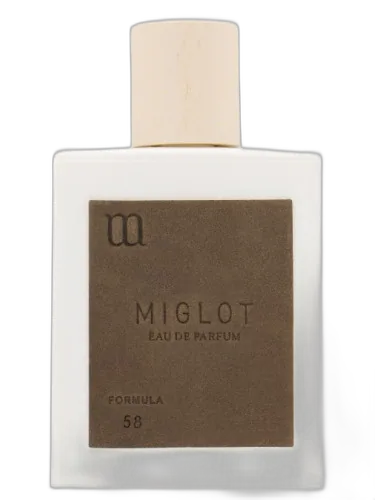
Miglot
Formula 58 Miglot
Shared top notes: grapefruit
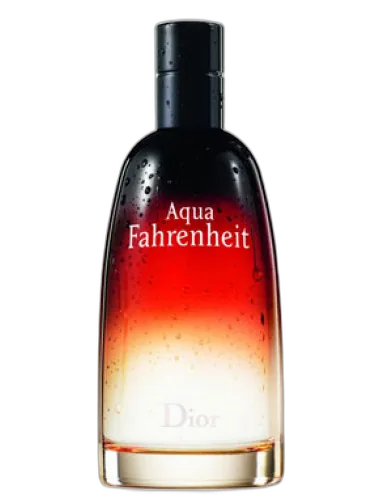
Dior
Aqua Fahrenheit Dior
Shared top notes: grapefruit
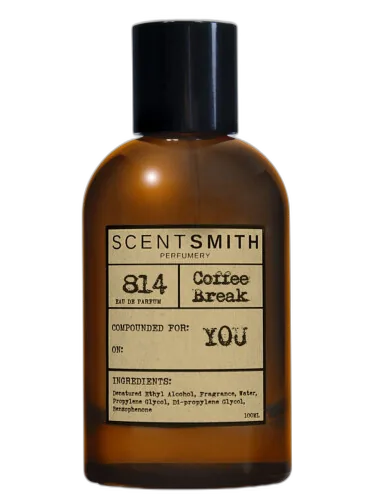
Scentsmith Perfumery
814 Coffee Break Scentsmith Perfumery
Shared top notes: grapefruit

Scentologia
Over.dose Scentologia
Shared top notes: cannabis, grapefruit