
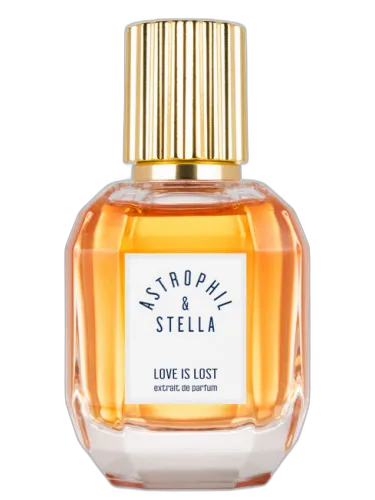

Love Is Lost Astrophil & Stella
At a glance
Is Love Is Lost Astrophil & Stella worth trying?
Love Is Lost by Astrophil & Stella is a fragrance for women and men.
- Best match
- Casual wear in Spring, Summer
- Performance feel
- Moderate longevity with Moderate sillage
- Signature profile
- vanilla, white floral, amber with Neroli, Calabrian bergamot, Bulgarian Rose
The first impression
Love Is Lost by Astrophil & Stella is a fragrance for women and men. Love Is Lost was launched in 2020. The nose behind this fragrance is Chris Maurice. Top notes are Neroli and Calabrian bergamot; middle notes are Bulgarian Rose, Jasmine Sambac and Geranium; base notes are Madagascar Vanilla, Amber and Oakmoss.
What shapes the scent
The perfumer behind it

Chris Maurice
Chris Maurice is a perfumer with a wide-ranging portfolio that includes work for Aqualis, Artal Perfumes, Assaf, Astrophil & Stella, Azman, and Bey Parfum. His creations include Egoli, Forbidden Rose, Darley, Love Is Lost, Moonage Daydream, Riad Jasmine, Song For A Wanderer, and Abyssoria. His style varies from floral and romantic to dark and mysterious.
Notes pyramid
Top Notes
First impression · 15-30 min
 Neroli
 Calabrian bergamot
Heart Notes
Core character · 2-4 hours
Bulgarian Rose
Jasmine Sambac
 Geranium
Base Notes
Lasting impression · 4+ hours
Madagascar Vanilla
 Amber
Amber
 Oakmoss
The mood it creates
The Lover Archetype: Portrait of Love Is Lost Astrophil & Stella
Essence
The person who cherishes Love Is Lost Astrophil & Stella is, above all, a Romantic-not in the trivial sense of sentimental affection, but in the grand, perilous tradition of those who seek the sublime in love, art, and longing. They are ruled by Eros, the force that drives creation and destruction in equal measure. Their soul is a theater where passion and melancholy perform an endless duet.
This archetype is defined by a deep hunger for transcendence-through beauty, through love, through the fleeting moments that shimmer with meaning. They are not content with the mundane; they crave the ecstatic, the poetic, the almost. Yet this very hunger is their blessing and their curse.
Shadow
But the Romantic is not without their demons. Their devotion to the ideal can become a prison. They may grow disillusioned when reality fails to match their fantasies, rejecting love that is steady but imperfect in favor of an impossible dream. Their nostalgia can curdle into regret, their passion into obsession.
They are prone to self-destructive tendencies-chasing unavailable lovers, clinging to relationships long past their expiration, or withdrawing into solitude when the world disappoints them. Their shadow is the fear that they will never find what they seek, that their hunger for the sublime is, in the end, just hunger.
Conclusion
The Romantic is not made for easy happiness. Their path is one of fire and frost, ecstasy and ache. But in their refusal to accept a life without depth, they remind the rest of us that love, in all its forms, is worth the risk of loss.
They will always be searching. And perhaps that is the point.
If you like this, try these
Fragrances with a comparable profile - shared accords, notes, and character.
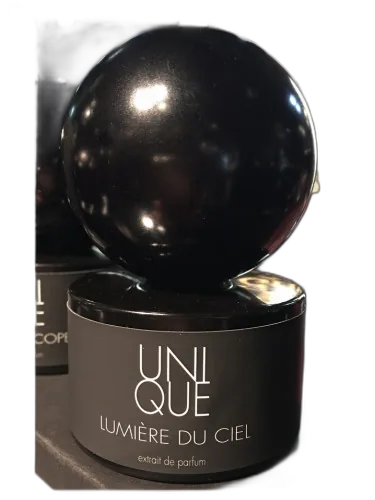
Unique
Lumiere Du Ciel Unique
Shared top notes: calabrian bergamot
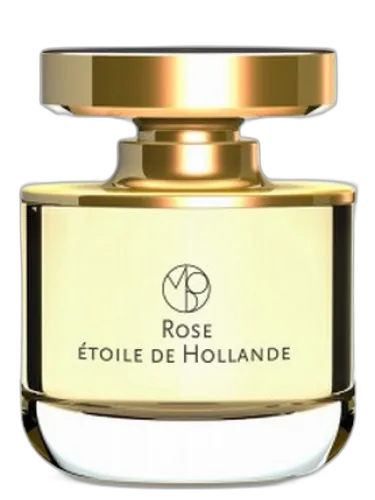
Mona di Orio
Rose Etoile De Hollande Mona Di Orio
Shared top notes: calabrian bergamot

Coach
Coach The Fragrance Eau De Toilette Coach
Shared heart notes: bulgarian rose, jasmine sambac

Ecuación Natural
Mr. Magnolia Ecuación Natural
Shared heart notes: bulgarian rose, jasmine sambac
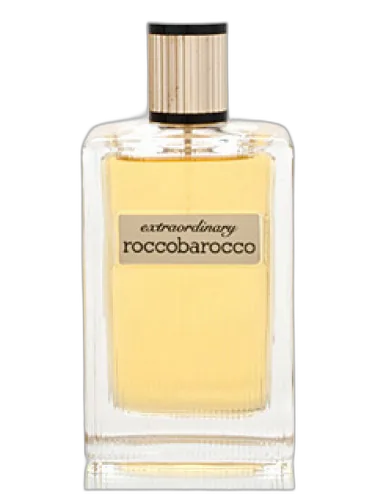
Roccobarocco
Extraordinary Roccobarocco
Shared top notes: neroli