
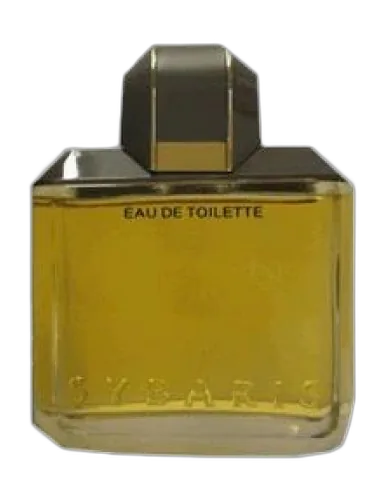
Sybaris Antonio Puig
At a glance
Is Sybaris Antonio Puig worth trying?
Sybaris by Antonio Puig is a Chypre fragrance for men.
- Best match
- Evening, Special Occasion wear in Fall, Winter
- Performance feel
- Very Good longevity with Strong sillage
- Signature profile
- warm spicy, woody, aromatic with Cumin, Basil, Aldehydes
The first impression
Sybaris by Antonio Puig is a Chypre fragrance for men. Sybaris was launched in 1988. Sybaris was created by Rosendo Mateu and Alberto Morillas. Top notes are Cumin, Basil, Aldehydes, Lemon, Mandarin Orange and Green Notes; middle notes are Cloves, Sandalwood, Geranium, Juniper, Cinnamon, Artemisia and Jasmine; base notes are Oakmoss, Patchouli, Incense, Leather, Amber and Vetiver.
What shapes the scent
The perfumer behind it

Alberto Morillas
Alberto Morillas is a master perfumer based in Geneva, Switzerland, and a longtime collaborator with Firmenich. His style is known for refined, luminous compositions that balance natural elegance with modern clarity. He created the bold leather and spice of Amouage Opus VII - Reckless Leather, the fresh citrus depth of Acqua di Parma Colonia Intensa, and the woody warmth of Aedes de Venustas Palissandre D'or. His work has shaped contemporary perfumery across both niche and luxury houses.
Notes pyramid
Top Notes
First impression · 15-30 min
 Cumin
Cumin
 Basil
Basil
 Aldehydes
 Lemon
Lemon
 Mandarin Orange
 Green Notes
Heart Notes
Core character · 2-4 hours
 Cloves
 Sandalwood
 Geranium
 Juniper
 Cinnamon
 Artemisia
 Jasmine
Base Notes
Lasting impression · 4+ hours
 Oakmoss
 Patchouli
 Incense
 Leather
 Amber
Amber
 Vetiver
The mood it creates
The Sovereign Archetype: Portrait of Sybaris Antonio Puig
Essence
Sybaris is the Sovereign’s crown in liquid form-a fragrance of power worn with effortless authority. The cumin and basil opening is a regal nod, at once exotic and commanding. Cloves and cinnamon in the heart evoke a throne room’s incense, while the leather and oakmoss base is the weight of a dynasty’s legacy.
This is no tyrant’s scent. The citrus and green notes ensure vitality, a reminder that true leadership renews rather than stagnates. The Sovereign knows that to rule well is to serve something greater than oneself.
Style & Aesthetic
They dress in timeless luxury-a cashmere coat, a signet ring passed down generations. The sandalwood and jasmine notes reflect their preference for fabrics that whisper rather than shout: raw silk, finely woven wool.
Their spaces are grand but lived-in, with Persian rugs and walls lined with portraits of ancestors (or mentors). The incense note lingers in their library, where first editions share shelves with well-played chess sets.
Philosophy & Values
Noblesse oblige is their creed. The aldehydes’ sparkle represents their belief that privilege carries the duty to illuminate. They value tradition but, like the vetiver’s green sharpness, they know when to prune the past to let the future breathe.
Their strength lies in discernment. The patchouli’s depth warns against frivolity, while the amber’s glow reminds them that even kings must sometimes kneel-to love, to art, to history’s lessons.
Relationships
They attract loyalty without demanding it. Romantic partners are equals, though the leather note hints at a taste for genteel submission behind closed doors. Friends are chosen for character, not status-the geranium’s freshness ensures their circle stays vibrant, not sycophantic.
They mentor generously, seeing their legacy in others’ growth. The juniper’s crispness keeps these bonds from becoming cloying, preserving mutual respect.
Lifestyle
Their days are structured but never rigid. Mornings might involve reviewing estate matters (the oakmoss’s solemnity) or fencing lessons (the cinnamon’s heat). The artemisia note suggests a penchant for herbal remedies and morning meditations.
They lead enterprises that blend heritage with innovation-perhaps a vineyard modernizing its methods, or a publishing house nurturing new voices. The green notes keep them attuned to the zeitgeist without chasing it.
Shadow
Their confidence can calcify into arrogance. The cumin’s animalic edge sometimes flares as impatience with lesser mortals. They may mistake the incense’s smoke for infallibility, forgetting that even thrones are kindling in revolutions.
When unbalanced, they become the despot who mistakes their tastes for laws.
Conclusion
Sybaris is the scent of a ruler who understands that true power is stewardship. It’s for those who wear authority lightly because they’ve earned it-not through birthright, but through wisdom and grace. Wear it when you need to command the room, or to remember that the best leaders inspire rather than intimidate.
If you like this, try these
Fragrances with a comparable profile - shared accords, notes, and character.
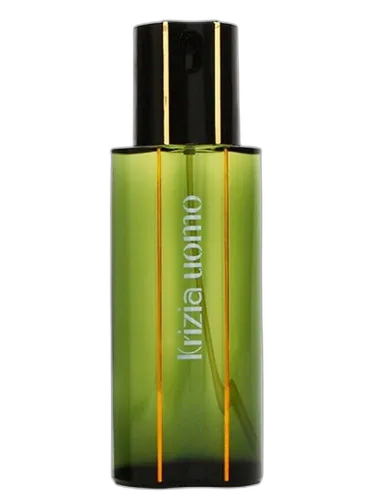
Krizia
Krizia Uomo Krizia
Shared top notes: aldehydes, basil, lemon
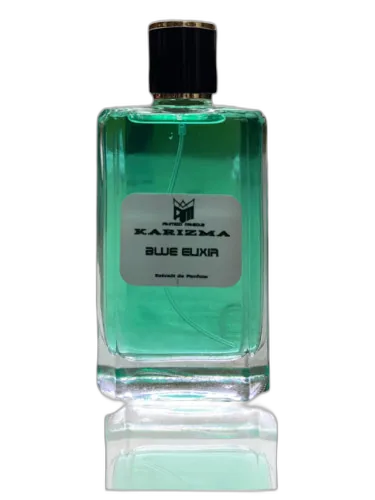
Ahmed Mahsoub KARIZMA
Blue Elixir Ahmed Mahsoub Karizma
Shared top notes: lemon, mandarin orange
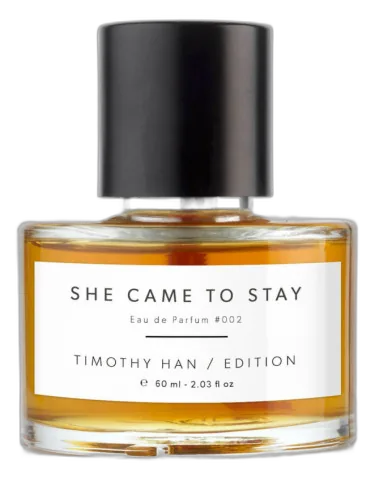
Timothy Han Edition Perfumes
She Came To Stay Timothy Han Edition Perfumes
Shared top notes: basil, lemon
Valentino
Vendetta Uomo Valentino
Shared top notes: aldehydes, basil, green notes
Versace
Versace L'homme Versace
Shared top notes: basil, green notes, lemon