
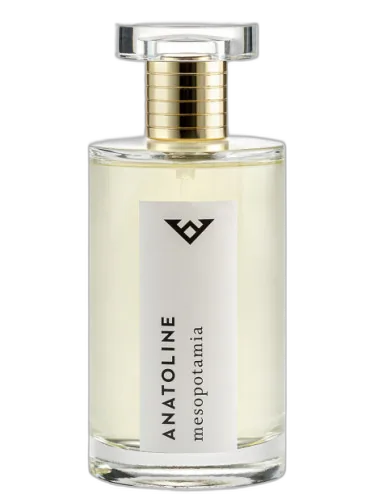
Mesopotamia Anatoline
At a glance
Is Mesopotamia Anatoline worth trying?
Mesopotamia by Anatoline is a Oriental Woody fragrance for women and men.
- Best match
- Evening, Special Occasion wear in Fall, Winter
- Performance feel
- Very Good longevity with Strong sillage
- Signature profile
- amber, vanilla, woody with Black Rose, Tonka Bean, Patchouli
The first impression
Mesopotamia by Anatoline is a Oriental Woody fragrance for women and men. Mesopotamia was launched in 2018. The nose behind this fragrance is Hüseyin Erdoğmuş. Top note is Black Rose; middle notes are Tonka Bean and Patchouli; base notes are Amber, Agarwood (Oud), Sandalwood and Vanilla.
What shapes the scent
The perfumer behind it

Hüseyin Erdoğmuş
Hüseyin Erdoğmuş is a Turkish perfumer who has created numerous fragrances for Anatoline, including Ephesus, Gobeklitepe, Kybele, Mesopotamia, Phrygia, and Shaman. He also composed Wonheda for Astral and Sahara Rose Absolute for Habibi NY. His work often incorporates themes from ancient civilizations and Middle Eastern olfactory traditions.
Notes pyramid
Top Notes
First impression · 15-30 min
 Black Rose
Heart Notes
Core character · 2-4 hours
 Tonka Bean
 Patchouli
Base Notes
Lasting impression · 4+ hours
 Amber
Amber
 Agarwood (Oud)
 Sandalwood
 Vanilla
The mood it creates
The Sovereign Archetype: Portrait of Mesopotamia Anatoline
Essence
Mesopotamia embodies the Sovereign archetype, commanding presence through quiet authority rather than force. The black rose at its heart speaks of regal mystery, while oud and amber create an aura of timeless power. They rule not through domination but by creating realms where others feel empowered to shine.
This fragrance carries the weight of history without being weighed down by it. Like the ancient civilization it's named for, it balances innovation with tradition - the vanilla's sweetness tempering the oud's intensity, creating a leadership style that's both formidable and approachable.
Style & Aesthetic
Their aesthetic is luxe minimalism - a cashmere wrap in midnight blue, a single heirloom ring. The black rose note translates to a preference for rich, deep colors with strategic highlights, like gold accents against charcoal grey. Every element serves a purpose while exuding quiet grandeur.
Spaces they inhabit feel curated and intentional - perhaps a modern loft with one ancient artifact displayed prominently. The sandalwood in the base reflects their love of materials that improve with time, from well-bound books to leather that develops character.
Philosophy & Values
They believe true leadership serves. The tonka bean's warmth represents their commitment to creating environments where people feel valued. Like the patchouli that grounds the fragrance's opulence, they understand that power must be rooted in ethical responsibility.
Legacy matters to them, not in terms of monuments but sustained impact. The amber's longevity mirrors their long-term thinking, while the vanilla's comfort shows their belief that strength should nurture rather than intimidate.
Relationships
In relationships, they seek equals who challenge and complement them. The oud's complexity reflects their appreciation for depth in others, while the rose's elegance means they value good manners and emotional intelligence. They attract loyal allies rather than sycophants.
Romantically, they're slow to trust but profoundly committed. The sandalwood's creamy drydown suggests a private tenderness beneath their public composure. They cherish partners who understand the weight of their responsibilities without being daunted by them.
Lifestyle
Their days are carefully orchestrated symphonies of productivity and restoration. Morning might bring strategic planning sessions, afternoons reserved for deep work, evenings for cultural engagements or small gatherings. The oud's intensity reflects their capacity for focused immersion.
They prioritize rituals that maintain their equilibrium - perhaps tea ceremonies or early walks. The vanilla's sweetness reminds them that effective leadership requires self-renewal as much as outward action.
Shadow
Their shadow risks isolation at the top. The black rose's melancholy can manifest as loneliness in leadership, shouldering burdens alone. They may mistake detachment for wisdom, forgetting that even monarchs need counsel.
Another challenge lies in flexibility. Like the fragrance's strong sillage, their certainty can sometimes overwhelm more tentative voices. Learning when to soften their presence is as important as knowing when to deploy it.
Conclusion
Mesopotamia is a fragrance for those who wear power gracefully. It's the scent of influence used wisely, of legacy being written in real time. To wear it is to remember that true sovereignty isn't about ruling over, but ruling with - just as the oud and vanilla find perfect harmony in its drydown.
If you like this, try these
Fragrances with a comparable profile - shared accords, notes, and character.
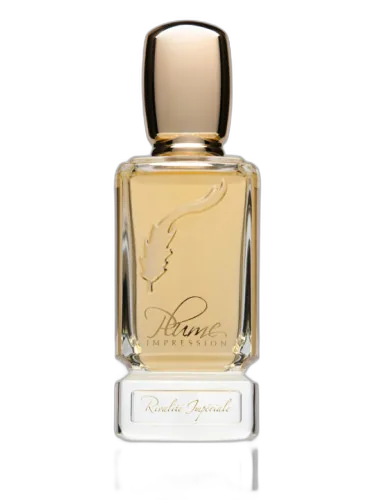
Plume Impression
Rivalite Imperiale Plume Impression
Shared heart notes: patchouli, tonka bean
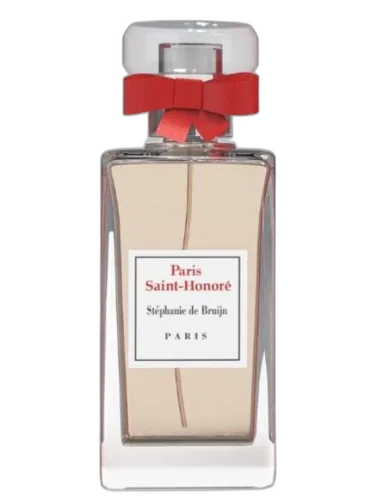
Stéphanie de Bruijn - Parfum sur Mesure
Paris - Saint-honore Stéphanie De Bruijn - Parfum Sur Mesure
Shared heart notes: patchouli
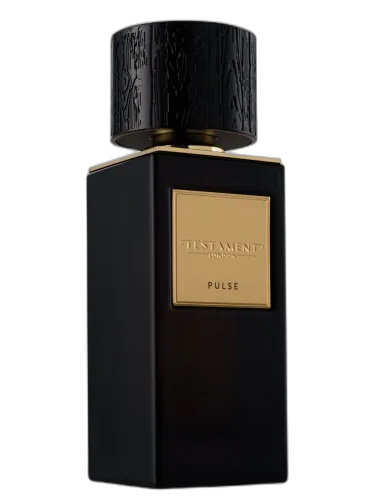
Testament London
Pulse Testament London
Shared heart notes: patchouli
Private Mood
Vanille Et Cognac Private Mood
Shared heart notes: patchouli, tonka bean
Omnia Profumi
Us66 Omnia Profumi
Shared heart notes: tonka bean