
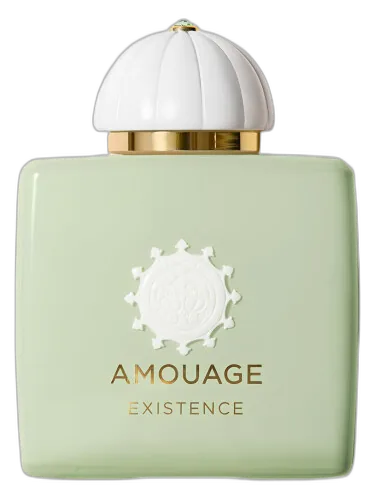

Existence Amouage
At a glance
Is Existence Amouage worth trying?
Existence by Amouage is a Oriental Floral fragrance for women and men.
- Best match
- Evening wear in Fall
- Performance feel
- Excellent longevity with Strong sillage
- Signature profile
- amber, fresh, white floral with Lily of the Valley, Aldehydes, Rose
The first impression
Existence by Amouage is a Oriental Floral fragrance for women and men. This is a new fragrance. Existence was launched in 2025. The nose behind this fragrance is Quentin Bisch. Top notes are Lily of the Valley, Aldehydes and Rose; middle notes are Frankincense, Mystikal and Labdanum; base notes are Benzoin, White Musk and Ambergris.
What shapes the scent
The perfumer behind it

Quentin Bisch
Quentin Bisch is a French perfumer known for his work with major houses like Amouage and Al-Jazeera Perfumes. His creations include Amouage Guidance, Purpose, and Existence, as well as Sidra Wood for Al-Jazeera Perfumes. Bisch often employs modern, minimalist structures with a focus on woody and amber accords.
Notes pyramid
Top Notes
First impression · 15-30 min
 Lily of the Valley
 Aldehydes
 Rose
Rose
Heart Notes
Core character · 2-4 hours
 Frankincense
 Mystikal
 Labdanum
Base Notes
Lasting impression · 4+ hours
 Benzoin
White Musk
Benzoin
White Musk
 Ambergris
The mood it creates
The Existence Amouage Wearer Archetype: Portrait of Existence Amouage
Essence
This person is most closely aligned with the Sage-the seeker of truth, the contemplative mind drawn to the essence of things. The Sage does not merely observe life; they dissect it, turning experience into wisdom. Existence, with its deep, resinous warmth and introspective complexity, is their scent because it mirrors their inner world: layered, profound, and unafraid of darkness.
The Sage is not content with superficial answers. They crave meaning, and this fragrance-rich with frankincense, myrrh, and smoky woods-becomes their olfactory companion in the search for it. It is a scent that lingers like a question, demanding reflection rather than immediate pleasure.
Philosophy & Values
They value authenticity above all else. Superficial charm repels them; they seek conversations that cut to the marrow. Their friendships are few but enduring, built on mutual respect for depth rather than convenience. Romantic relationships, if they engage in them, are intense-either profoundly fulfilling or devastatingly disillusioning, for they cannot tolerate emotional half-measures.
Yet this very demand for depth can isolate them. They may dismiss those who do not meet their intellectual or emotional standards, mistaking their own intensity for superiority. Their shadow is the Hermit, the Sage’s darker twin-someone so absorbed in their own mind that they forget how to touch the world.
Shadow
When the Sage’s quest for truth turns rigid, they risk becoming the Cynic-disillusioned, detached, unable to appreciate life’s simpler joys. They may grow impatient with those who do not share their depth, dismissing optimism as naivety. Their skepticism, once a tool for discernment, hardens into a shield against vulnerability.
Yet even in this shadow, there is a kernel of truth: their refusal to be deceived. The challenge is balance-knowing when to question and when to surrender, when to analyze and when to simply exist.
Conclusion
Their tastes are refined but never ostentatious. They prefer the weight of a well-bound book to the fleeting glow of a screen, the slow burn of aged whisky to the quick intoxication of cheap liquor. Their wardrobe leans toward timeless textures-cashmere, wool, leather-favoring depth over trend. They might wear black not for its austerity, but because it absorbs light, holding mystery within its folds.
Philosophy is not an academic pursuit for them; it is a way of breathing. They are drawn to thinkers like Nietzsche, Kierkegaard, and Jung-writers who wrestle with existence rather than neatly explain it. They believe truth is found in paradox, in the tension between light and shadow.
If you like this, try these
Fragrances with a comparable profile - shared accords, notes, and character.
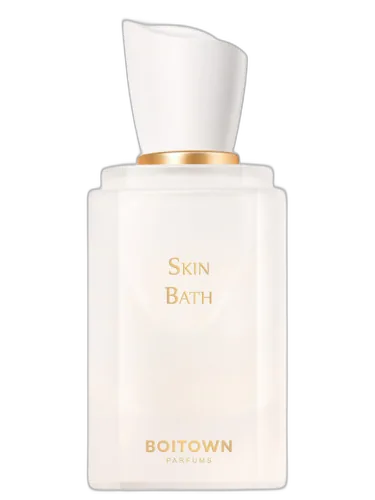
Boitown 冰希黎
Skin Bath 肌肤之浴 Boitown 冰希黎
Shared top notes: aldehydes, lily of the valley
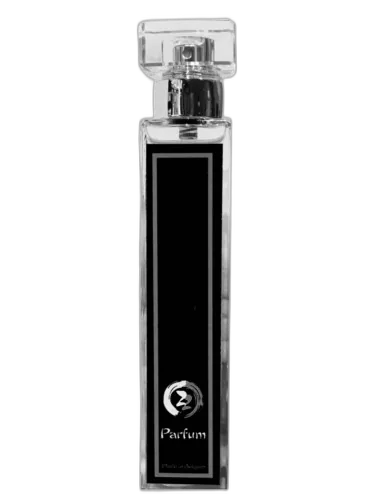
NeZ ZeN
New York Nez Zen
Shared top notes: rose
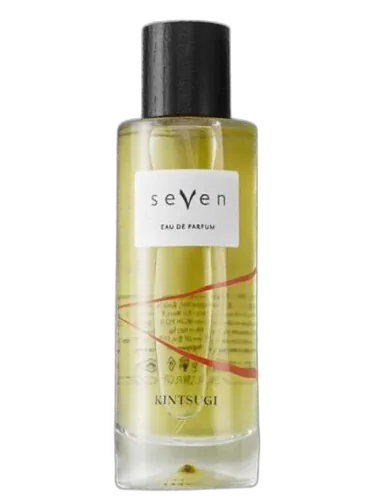
Kintsugi
Seven Kintsugi
Shared base notes: ambergris, benzoin, white musk
Guerlain
Encens Mythique D'orient Guerlain
Shared top notes: aldehydes, rose

Dzintars
Kompliments 1 Dzintars
Shared top notes: aldehydes, lily of the valley